It is easy for me to imagine a version of the future where the Israeli settler colonial project has achieved its end goal. A future where only a few thousand Palestinians remain in Palestine. Some fled, others were killed. Israeli settlers have taken most of their homes. The Star of David is visible everywhere, but Keffiyehs and Palestinian flags are seen only in late-night comedy sketches or on effigies to be burned. The remaining Palestinians and Arabs are still subject to so-called “Military Law.” Their cars still have different license plates, and they still have water tanks on their roofs and generators in their homes. They face daily attacks and harassment. They too will be gone soon.
In the West, we protested, we voted, we donated, we boycotted, we called our representatives, we ran candidates for elections, we fundraised, we unionized, we organized, we released dozens of statements, we even committed “criminal” acts of sabotage and disruption, and we did a hundred other things, but none of it was enough. The fall of Palestine signified the beginning of another historical epoch dominated by imperialism, colonialism, and white supremacy.
Answer the Call of History
In October, I visited the West Bank along with my mother and dozens of internationals to assist with the annual olive harvest and provide a protective presence for the Palestinian farmers. In response, Israel arrested us, subjected us to torturous conditions in prison for 5 days, deported us, and banned us from Palestine for 99 years. They made every effort to punish us for our act of solidarity and to make us regret it. They threw us into a boiling, roach-infested cell with no information about how long we would be there and no communication with the outside world. We ate their rotten food with our hands and drank their dirty water from leftover cups of hot yogurt. They all but ignored the massive abscess I had developed on my back, which burst one night, spraying shocking amounts of blood and pus all over the prison floor.
I would do it again without hesitation.
For the past two years, we watched as 75 years of ethnic cleansing in Palestine culminated with the worst crime of the 21st Century. In the West, those of us who oppose Israel’s genocide in Gaza have undertaken a wide array of tactics in our efforts to stop it. Having participated in almost all of these tactics myself, it is clear to me now that there is one that is far more effective than any other and which strikes fear into the heart of the colonizer.
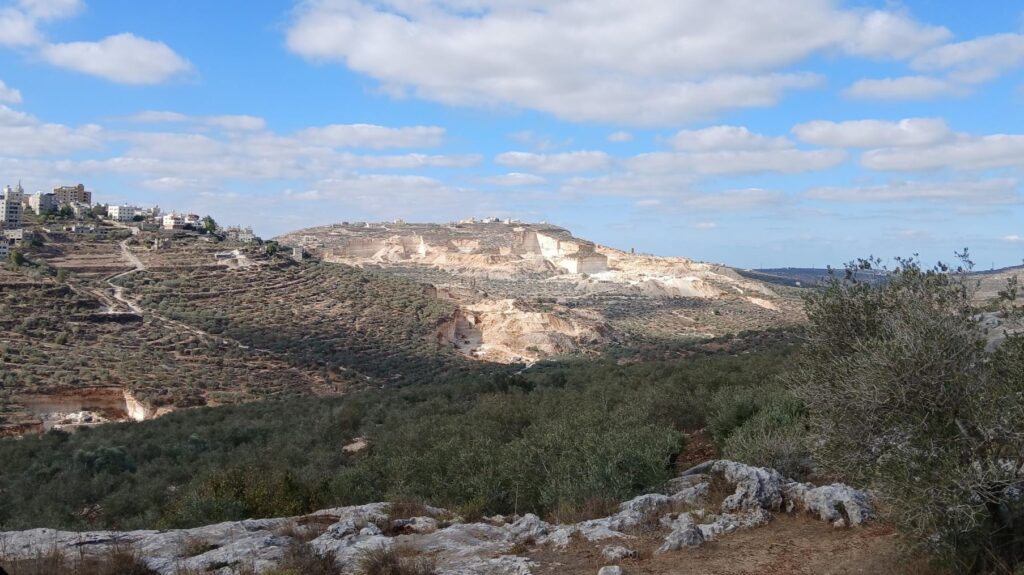
The West Bank is on the brink of its own catastrophe. The conditions that preceded the Gaza Genocide are present there to an even greater extent. The latest generation of settlers, the “Hilltop Youth,” is better armed and more violent than ever before. They are given free weapons and ATVs by Itamar Ben Gvir, the Israeli defense minister who idolizes the infamous mass murderer Baruch Goldstein. Their purpose is ethnic cleansing, and they have the full backing of the army and police, who appear to support them any time they attempt to clear the land of Palestinians. Unlike Gaza, the West Bank has no organized armed resistance. The situation is dire. To initiate another genocide, all the Israeli government needs to do is give the settlers and occupation forces the green light.
We in the West must answer the call of history. We must fulfill our responsibility to rectify our governments’ criminal support for Israeli occupation and genocide. We must go to Palestine in the thousands. If my 69-year old mom can do it, almost anybody can.
What We Experienced
We made the crossing into Palestine from Jordan on a Monday. The border is, of course, controlled by the Israeli occupation. Getting through successfully required only a meager amount of preparation and dissembling. I told the soldiers that we were there for tourism; I was going to show my Christian mom the holy land. They searched my bags, asked to see my hotel reservation, then let us through.
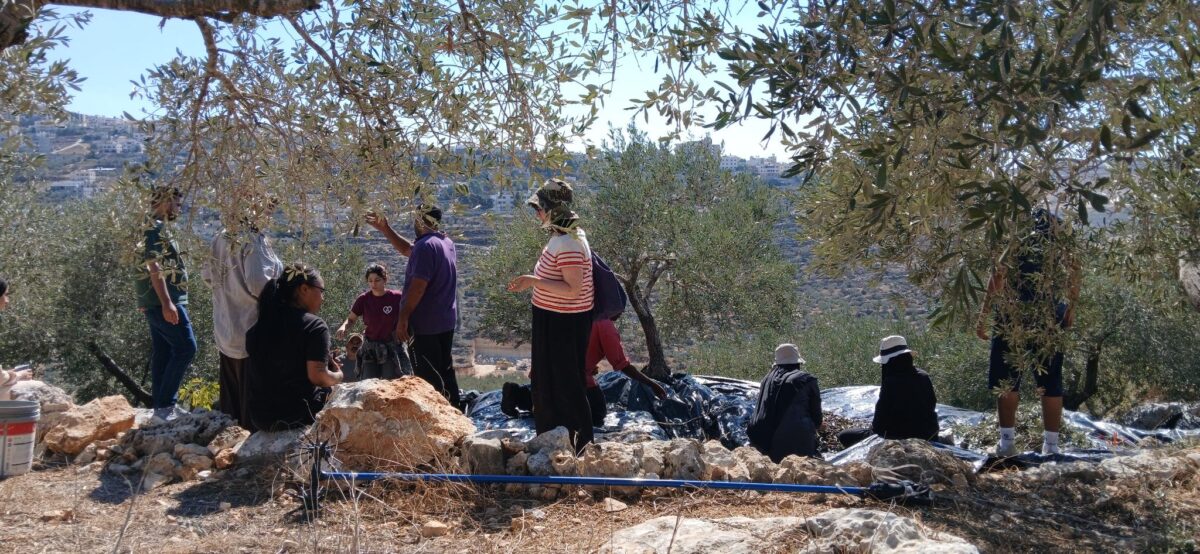
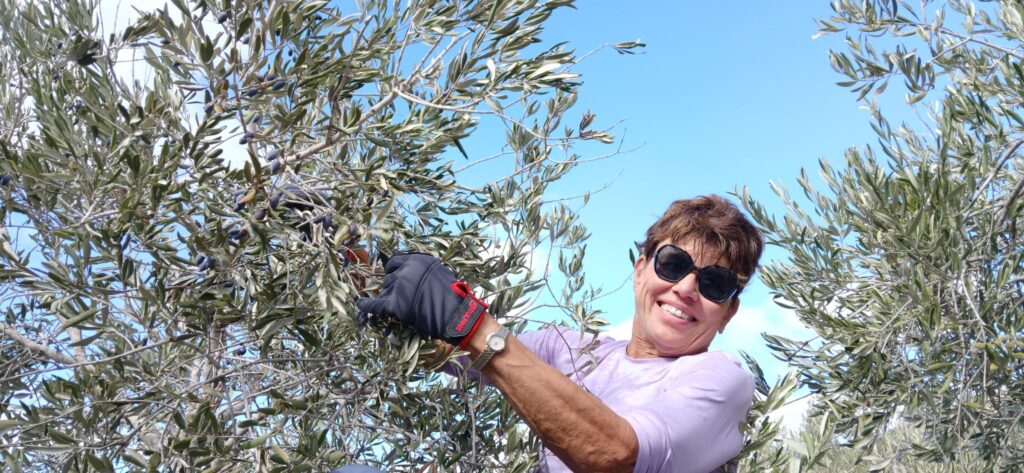
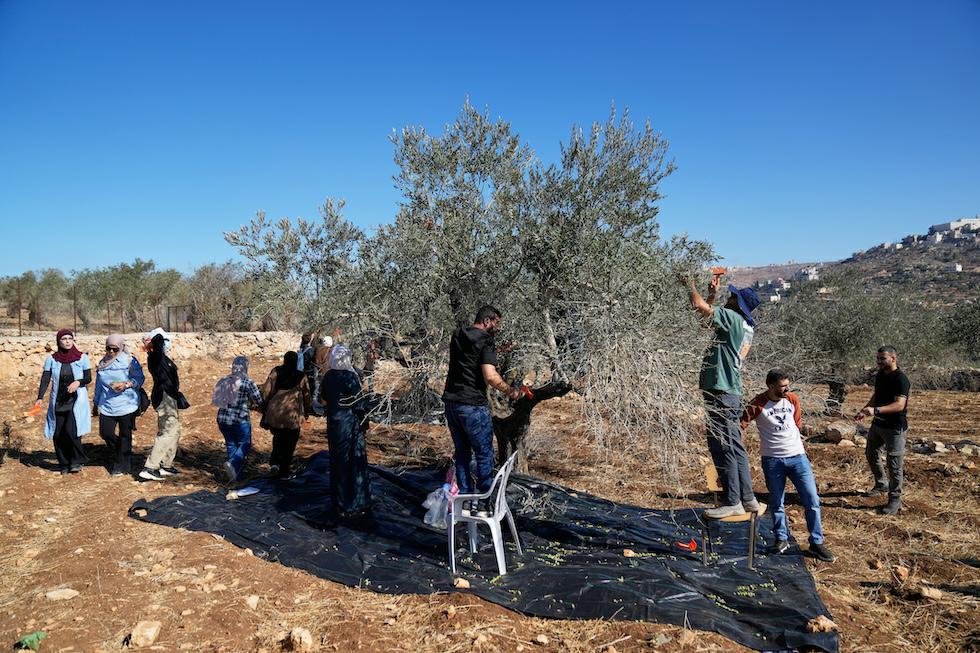
After two days of preparation, during which our hosts informed us of the latest developments in the area and what to expect from the settlers and the occupation, we began harvesting on Wednesday. The farmers wanted our first harvest day to pass without incident, so they took us to a location far from any road, where they knew that settlers were unlikely to attack. We collected thousands of olives successfully. I will never forget the generosity and friendliness of our Palestinian hosts, who always ensured that we were well fed and caffeinated. They shared whatever they could with us, and they constantly regaled us with personal stories that taught us about their history and culture, painting a clear picture of what life is like under Israeli occupation.
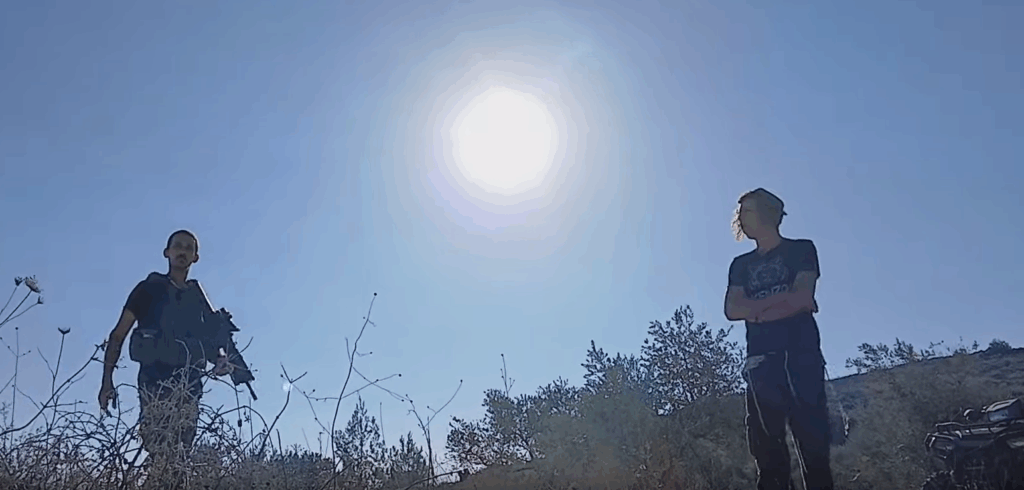
Sadly, that was our final day of peace and freedom. The next morning, settlers appeared within 5 minutes of our harvest. The typical process unfolded from there: the settlers tried to initiate conflict and provoke violence. The first thing they attempted to do was rip the tarp full of olives out from under my feet; I was too heavy, and the tarp stayed put. They then tried to sic their dogs on us, but the treasonous dogs displayed more humanity than the settlers when they refused their orders and tried to befriend us instead.
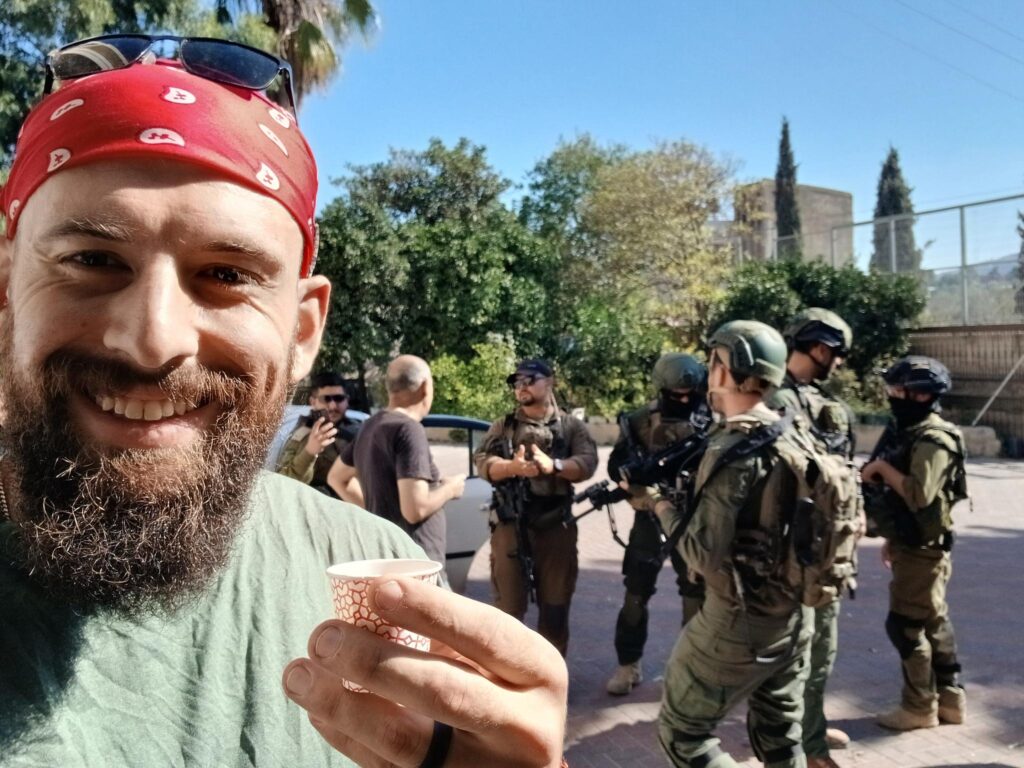
We continued harvesting and recording the settlers until dozens of Israeli occupation soldiers appeared to support the settlers and forced us to flee to a different olive grove owned by the same farmer. We walked backward from the soldiers to our vehicles. The IOF behaves just like the NYPD at protests; the fact that they share training, equipment, and intelligence is evident. To remove us from the area they deployed tactics that I had become very familiar with after years of protesting in New York City.
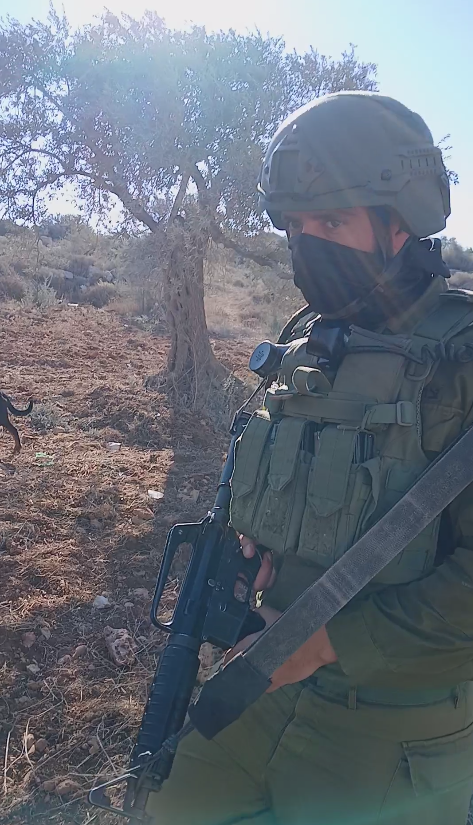
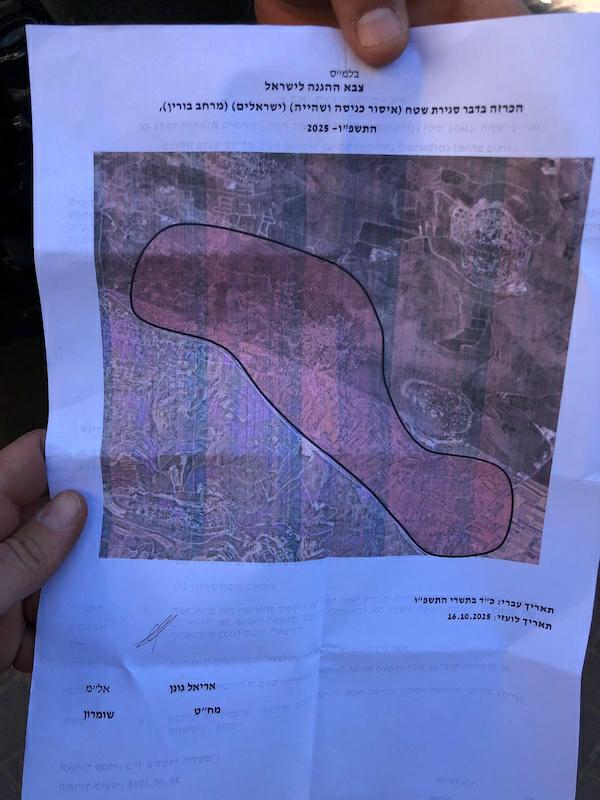
The same cat-and-mouse game unfolded there, after which we retreated to the farmer’s home, where he served us Arabic coffee in his beautiful garden. But the occupation forces were unsatisfied. They followed us to the farmer’s home, and confronted us with the same spurious pretext that they frequently use to clear Palestinian land of Palestinians–they showed us a map and told us that we were in a “closed military zone.”
They demanded to see our passports. Unlike Palestinians, who are subject to “Military Law,” Internationals in Palestine are subject to “Civilian Law,” under which we have no obligation to show the military our passports, so we refused. They called the police, who forcibly took our passports and told us that we were not under arrest and that they were going to escort us out of the military zone. This began a weeklong series of Kafkaesque events replete with lies, abuses, and violations of the law, which culminated with our 5-day incarceration at Givon prison.
The entirety of our detention was characterized by our captors walking the line between attempting to immiserate us to the greatest possible extent without causing any major international incident. For example, when the abscess on my back finally burst and became an open wound, I was denied treatment until I mentioned the possibility of infection. It was only then, motivated by the fear of an American dying in their custody, that the guards allowed me to receive medical care.
This tightrope act demonstrates the efficacy of the protective presence program. I admit that I arrived in Palestine with skepticism. I thought that our presence there might not make much of a difference for the Palestinians and that the Israelis would be just as violent and aggressive whether we were there or not. That view is incorrect.
The presence of internationals, especially white Westerners, deters Israeli violence. It slows the ethnic cleansing of the Palestinians. It was clear to me that every Israeli responsible for detaining us wanted to abuse us to a greater extent than they did, but they had to refrain from doing so. The same dynamic was evident in the fields. In one instance, a shoving match broke out between the Palestinian farmer and a settler. Had we not been present and recording the encounter, the farmer would have certainly been attacked, imprisoned, or killed. In fact, after our arrest, the Israeli Occupation Forces (IOF) kidnapped, blindfolded, and badly beat one of our guides twice in two days. They broke his nose and dislocated his shoulder. Had we been there recording, they would not have committed such violence.
To me, the confirmation of the efficacy of our presence there gives us Westerners a special mandate. Our own governments, especially the United States, aid and abet the ethnic cleansing of Palestinians with our tax dollars. We therefore have a responsibility to rectify this. Thousands of us have attempted to do so with various tactics, none of which have been sufficiently effective.
It is time to escalate. We must take our solidarity to the next level, and we must do so in the thousands. Engage in the most effective tactic. Go to Palestine.
Yes, it is easy for me to imagine a version of the future where the Israeli settler colonial project has achieved its end goal. I can also clearly see a version of the future where the Israeli settler colonial project has completely failed. The millions of displaced Palestinians were able to return to their ancestral lands. The Palestinians have sovereignty over their water, electricity, food, and borders. They drive on whatever roads they please without passing through any checkpoints. Their farmers labor freely and peacefully. Their workers pay taxes to a government that actually represents them. When they leave Palestine, they know they will be able to return. Children play in the street as loudly and freely as they please. Families are reunited. Palestine is free.
Those of us in the West allowed ourselves to hear the call of history, and we answered it. Our efforts rose to meet the moment, and we practiced a form of solidarity that directly advanced the liberation struggle. We also brought the Palestinian struggle home with us, and we therefore advanced our own struggles in our home countries, because the two are intrinsically connected through a shared history of imperialism and settler colonialism. We learned, for example, how to resist military occupation. We learned how to organize ourselves to sustain and perpetuate the life and livelihood of our own occupied communities. We learned from the Palestinians what it really means to resist, and we learned what real solidarity is.