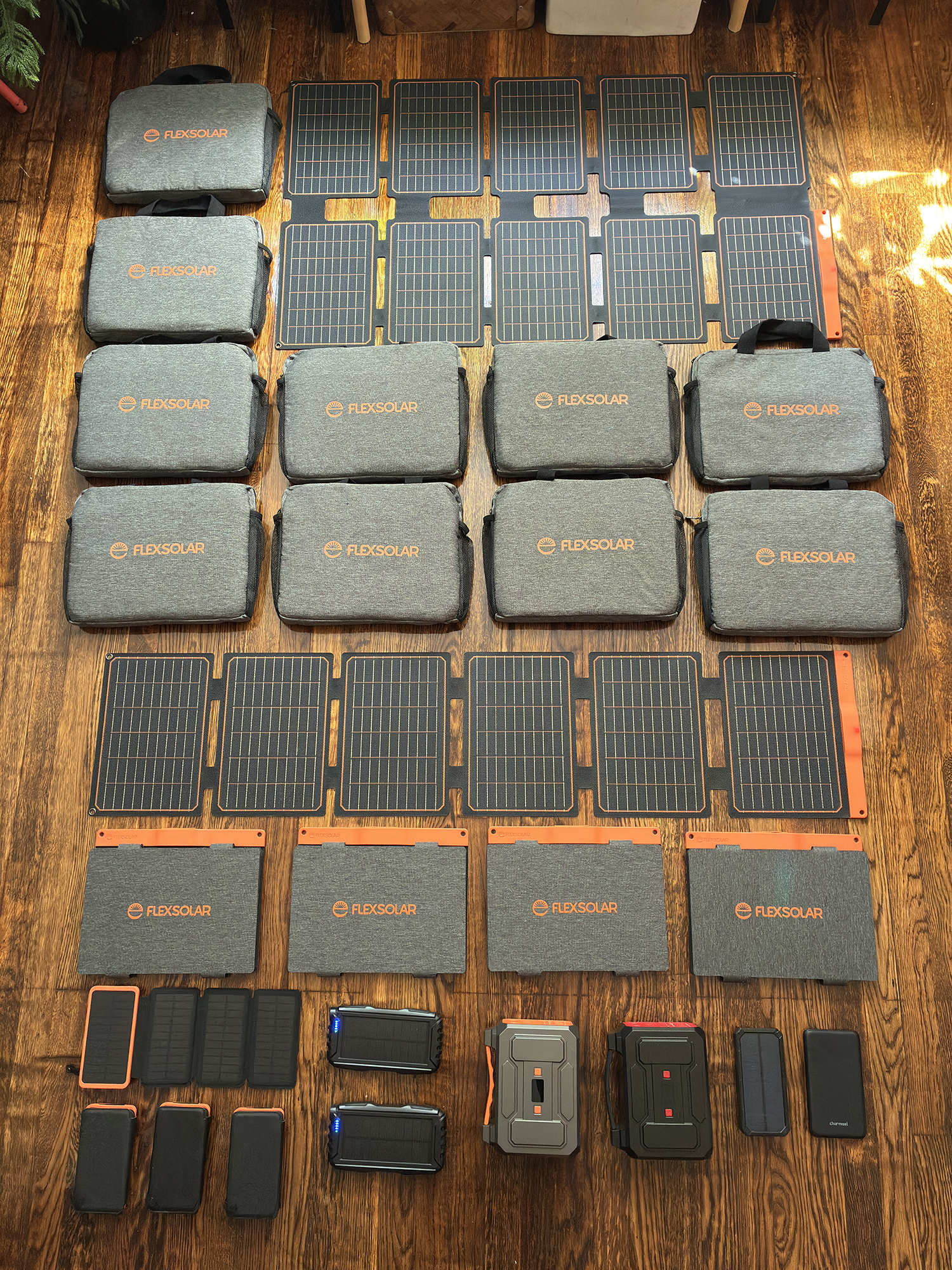
A week ago I jumped on a last-minute opportunity to join the Nuestra America Convoy as part of the Code Pink delegation, and spent the next few days frantically trying to prepare and fundraise to bring aid with me. I left New York with two suitcases full of solar panels, batteries, and medicine, hoping the unpaid TSA airport agents wouldn’t care much. After landing in Miami without issue and sleeping three hours in a dingy Red Roof Inn outside the airport, we headed off to Havana, fueled by coffee and adrenaline.
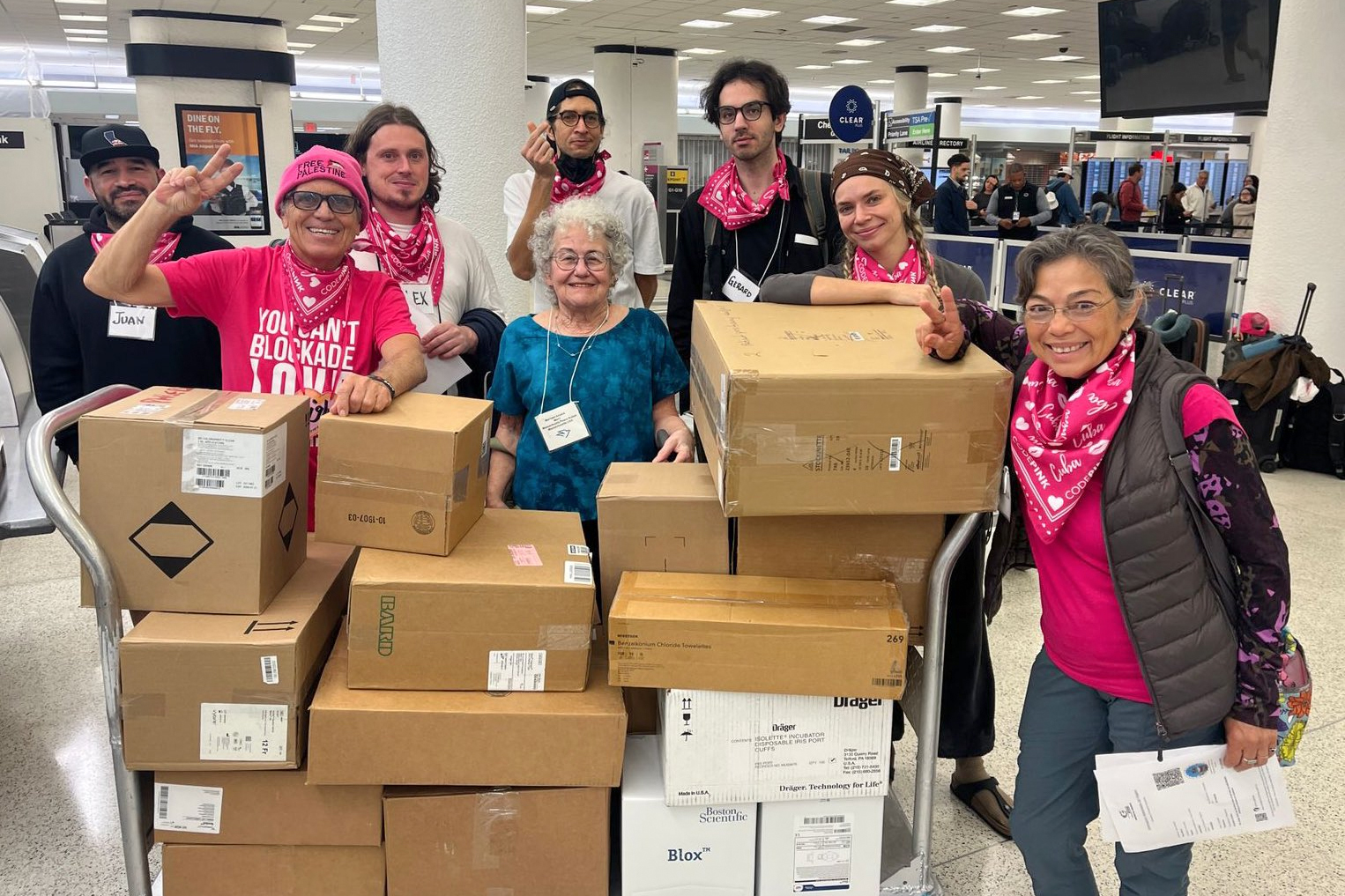
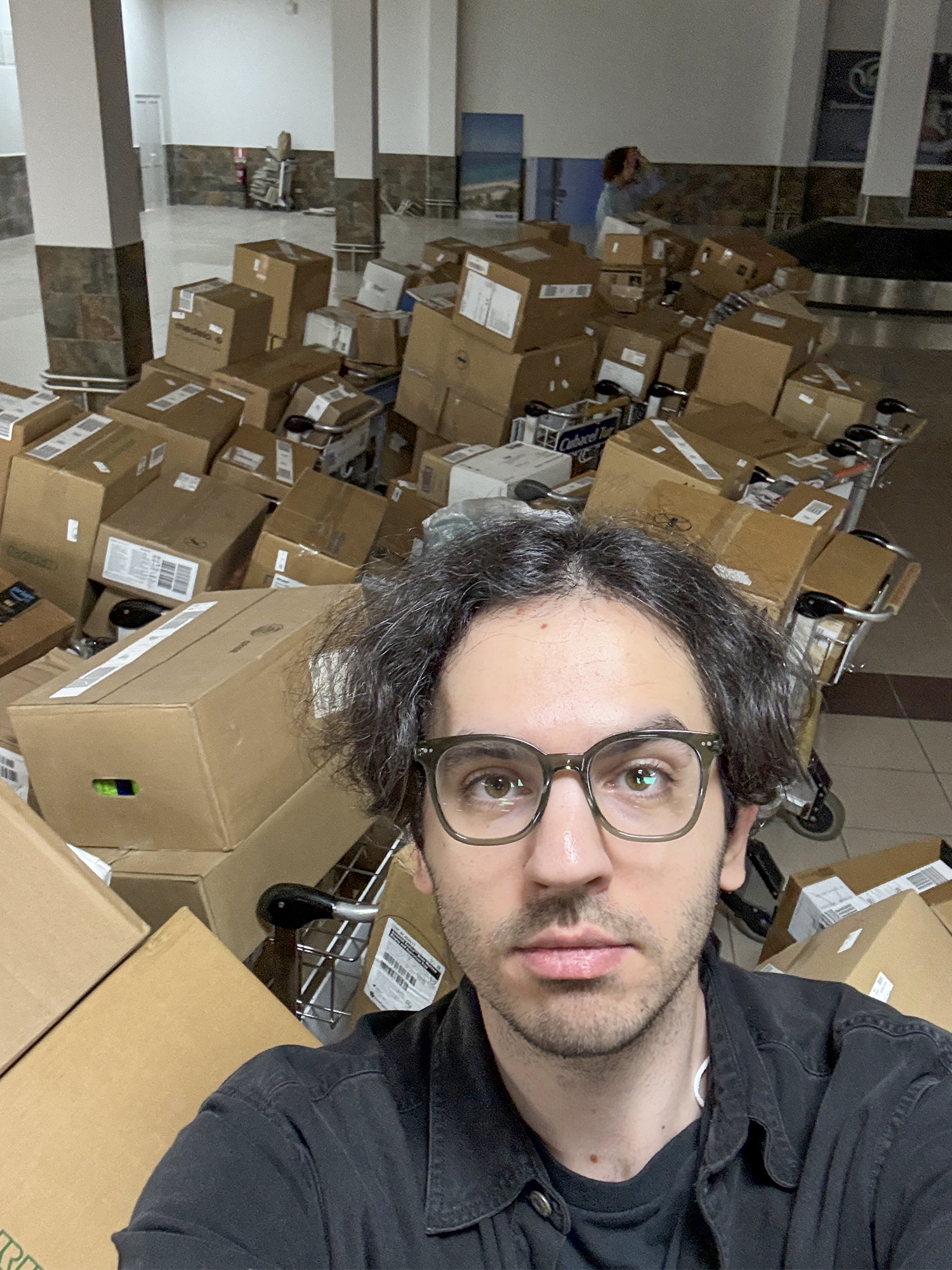
We flew out of Miami on a charter flight on Friday, March 20 at 6AM, after spending hours helping load hundreds of boxes of humanitarian supplies onto the plane one by one. Less than an hour later we landed in Cuba and spent the next few hours unloading the same boxes amidst a flurry of activity in the airport as staff raced to handle endless packages and suitcases. Everyone flying to Cuba brings at least a few suitcases as it’s one of the only ways to get anything into the country due to the US blockade.
The next three days were a blur of running across Havana with the Code Pink and Progressive International media delegations, visiting and meeting as many people as possible to document as much of Cuba as we could in our short time there. Hoping to bring momentary material relief and highlight the dire impacts of the intensifying US fuel blockade, the convoy consisted of dozens of planned itineraries across different delegations organizing with local groups. While I only attended a few events I was stunned by how much we could do in a short few days.
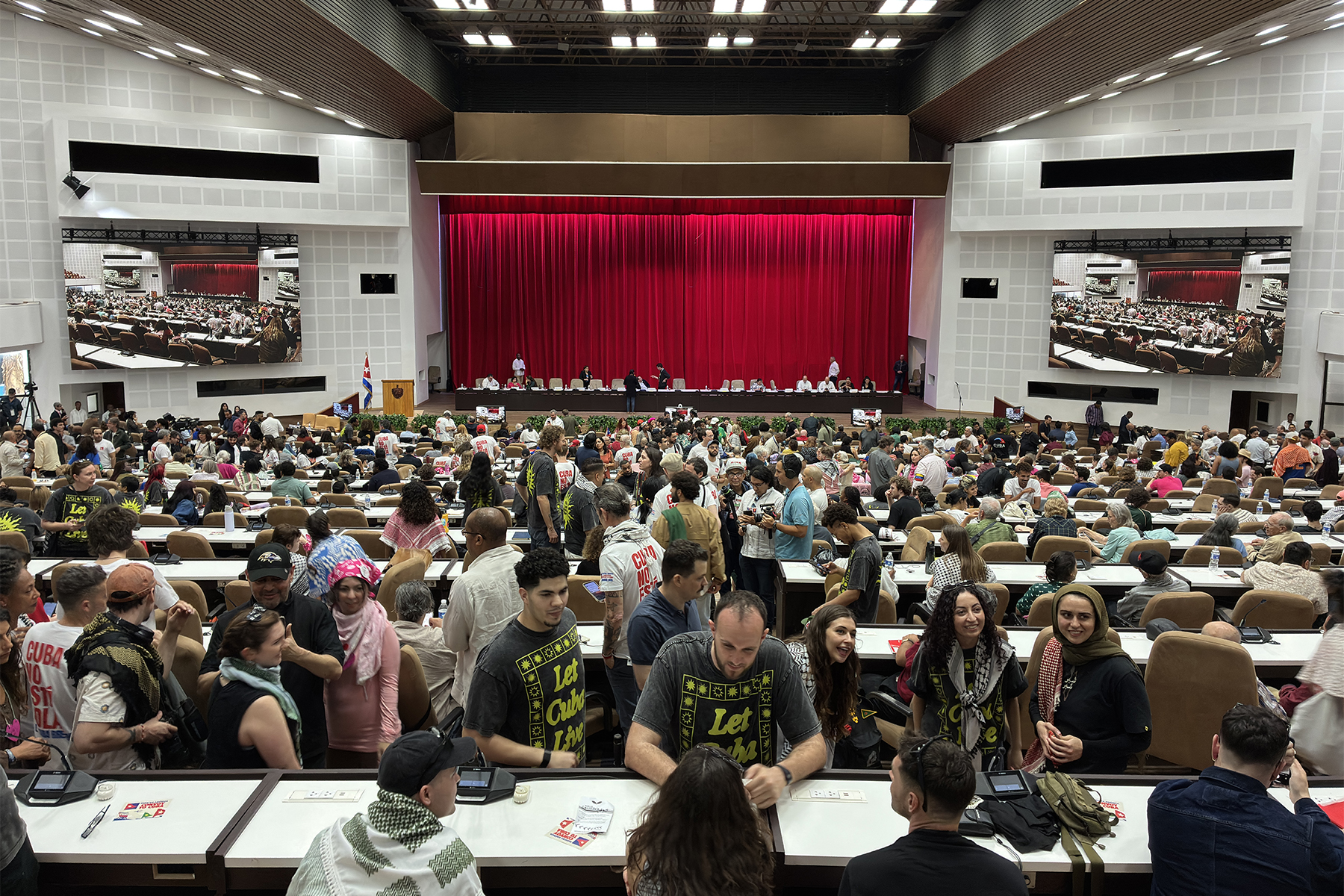
We started the trip with a sprawling conference of all the hundreds of international delegates, greeted by president Díaz-Canel. Representatives from delegations across the world spoke on the crucial need for international solidarity with Cuba. Optimism and excitement filled the air that night as I walked around talking with attendees like Jeremy Corbyn and comrades from countless orgs including PYM, DSA, and many others converging from across the world in joint struggle against the US blockade. We concluded the day back at the hotel and shortly after experienced our first blackout, as all the power suddenly cut off around midnight.
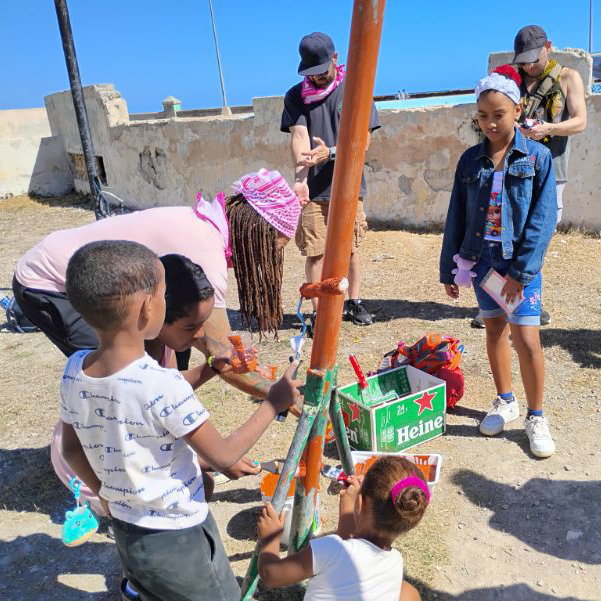
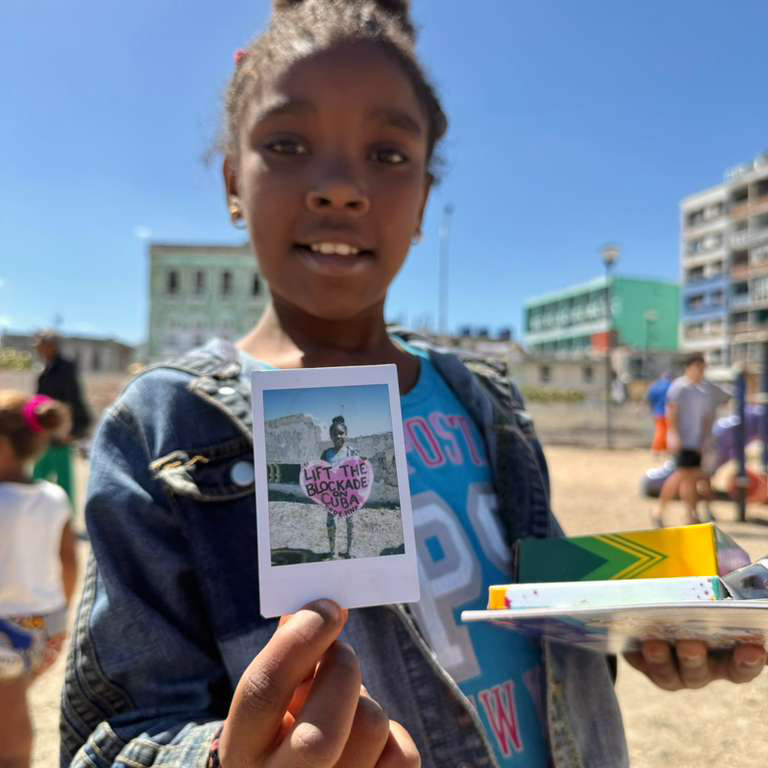
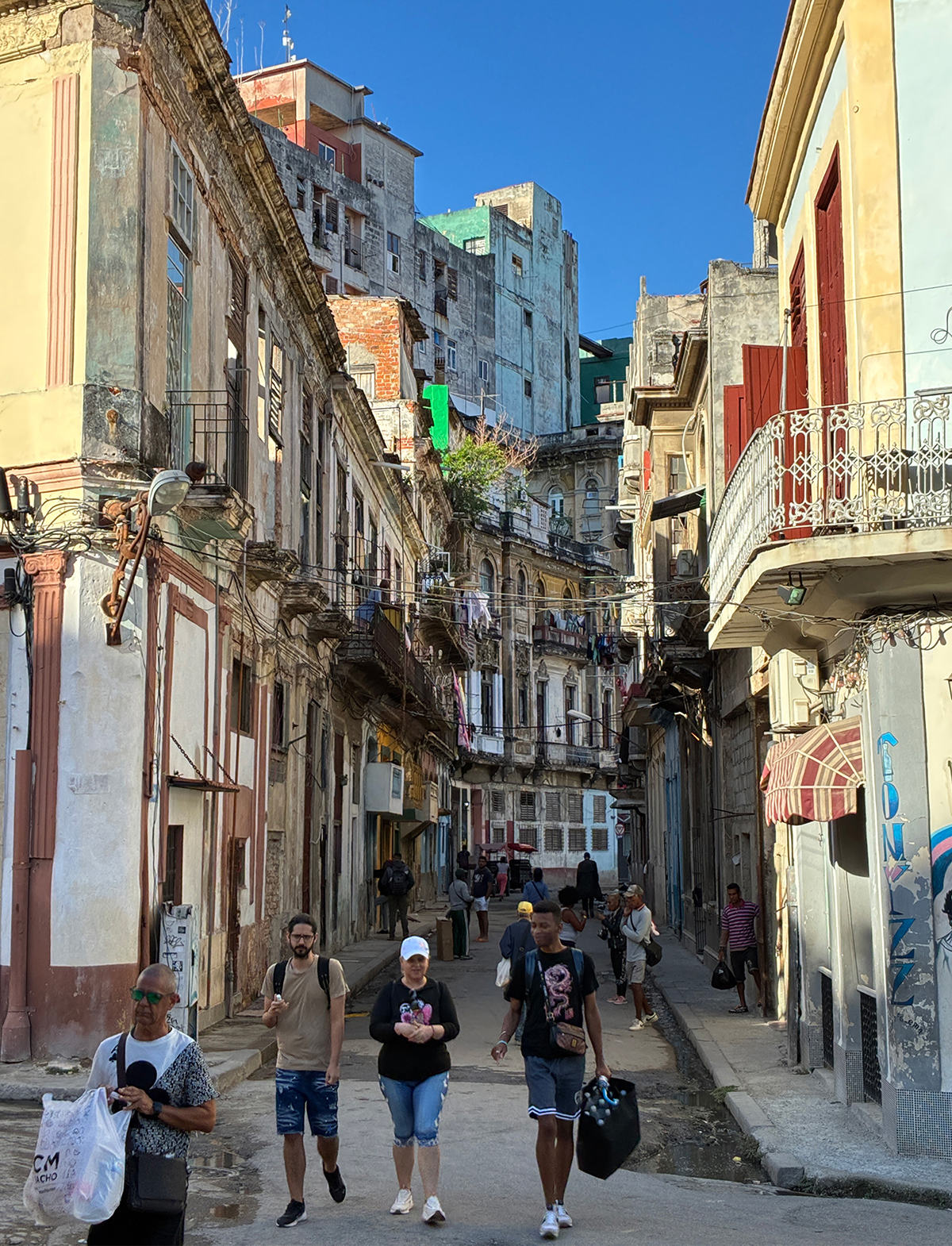
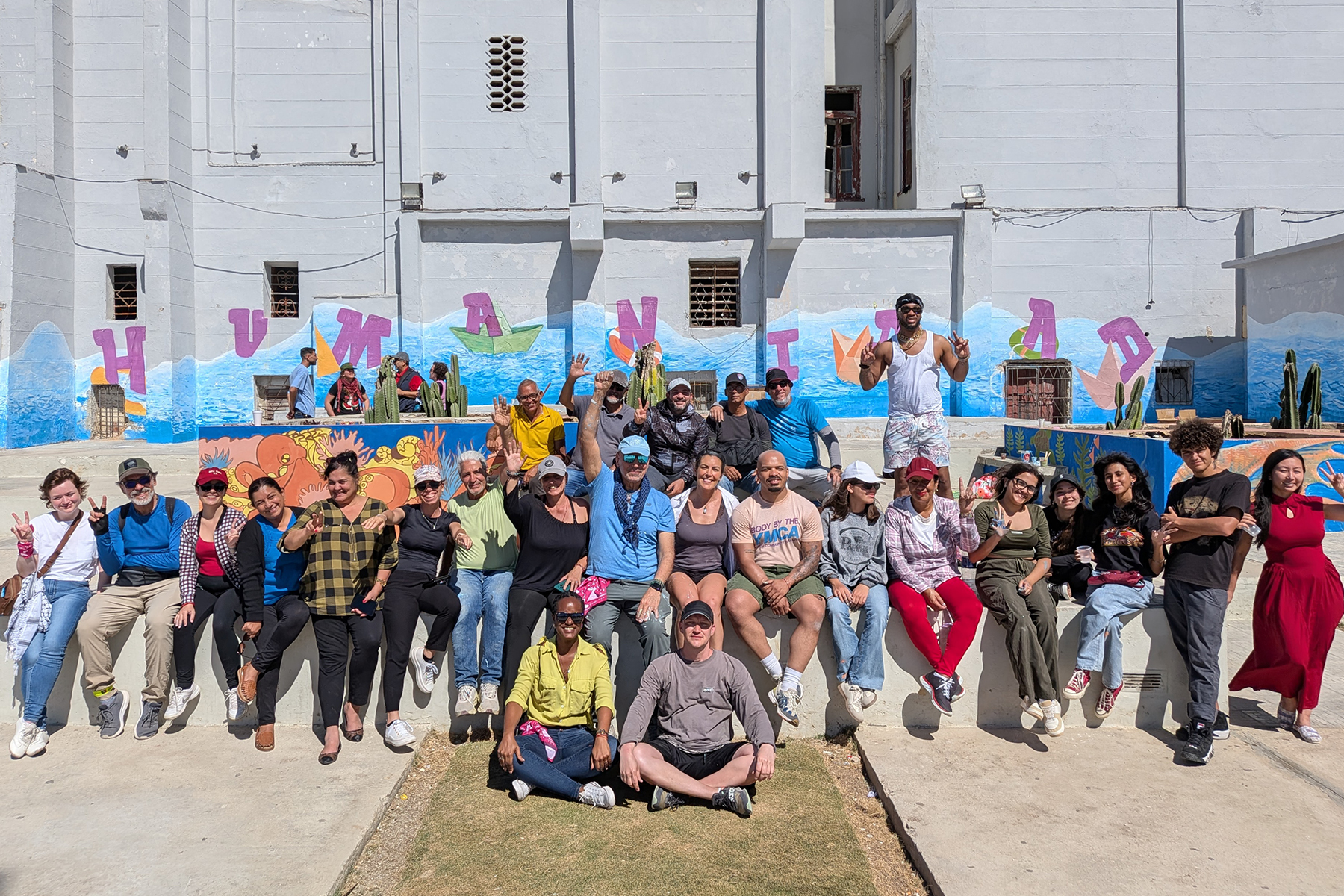
The sunrise greeted us Saturday as we set off walking an hour across the city from Old Havana to Vedado for the aid distribution and conference at the Cuban Institute of Friendship with Peoples (ICAP). Walking the streets of Havana you see the ever-present struggles caused by the blockade. A lack of fuel imports has caused widespread issues impacting garbage collection, general transportation, and other essential services. That morning, delegates from Code Pink dispersed across the city, attending various community events including helping revitalize a children’s playground and joining local artists to paint a massive solidarity mural.
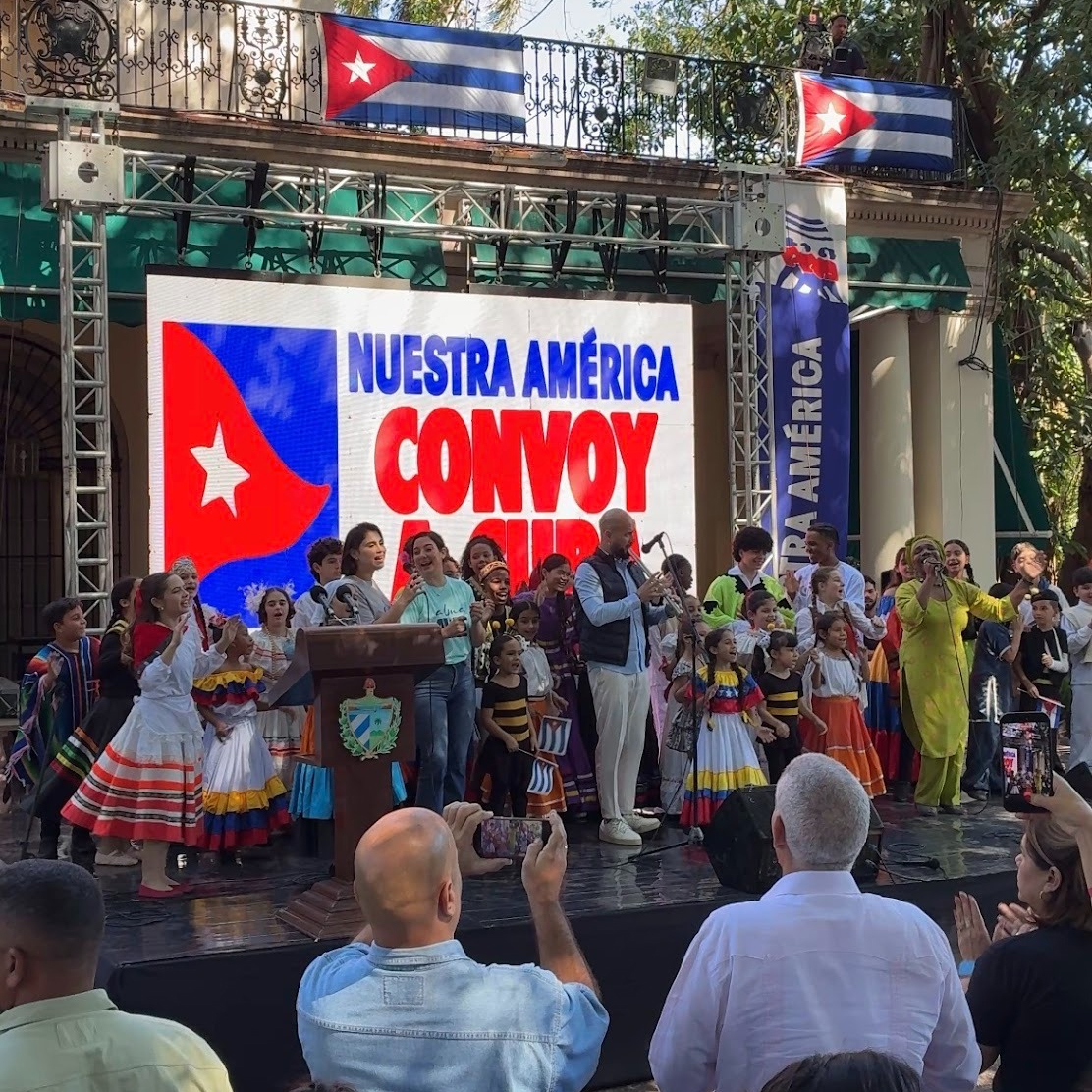
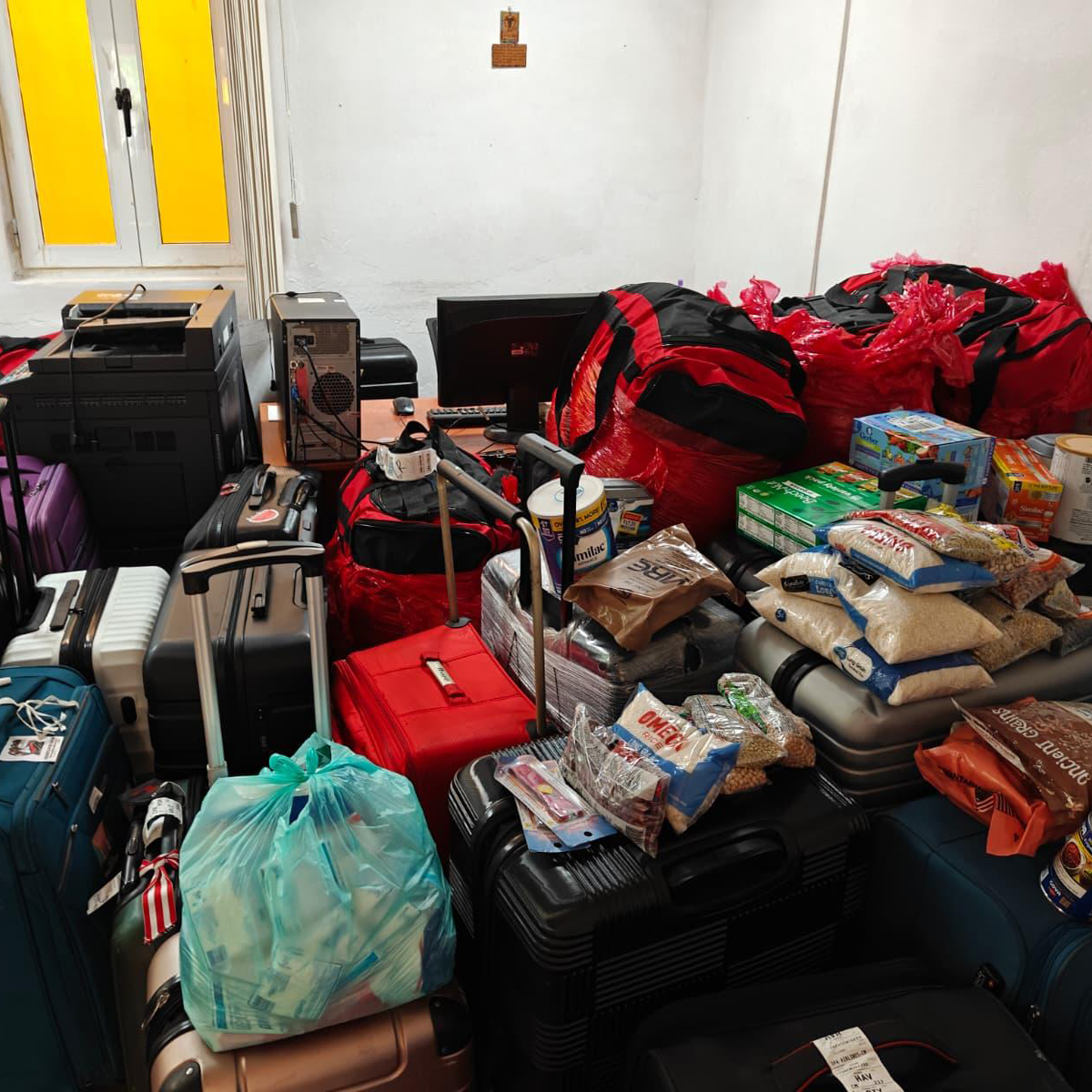
At ICAP, hundreds of people dropped off aid and gathered for a welcome reception with Cuban officials and artists. An optimistic wave of jubilation filled the courtyard as delegates from across the world rallied in solidarity. Afterwards, we joined journalists and media professionals at the International Press Center (CPI) for a press conference with deputy foreign minister Carlos de Cossío, who talked with foreign journalists and answered questions about the impacts people are facing and how the US is attempting to overthrow the socialist government. He explained that the largest investment Cuba had made last year was in solar panels, increasing energy capacity to 20% of total power to alleviate the stress on the power grid due to lack of fuel.
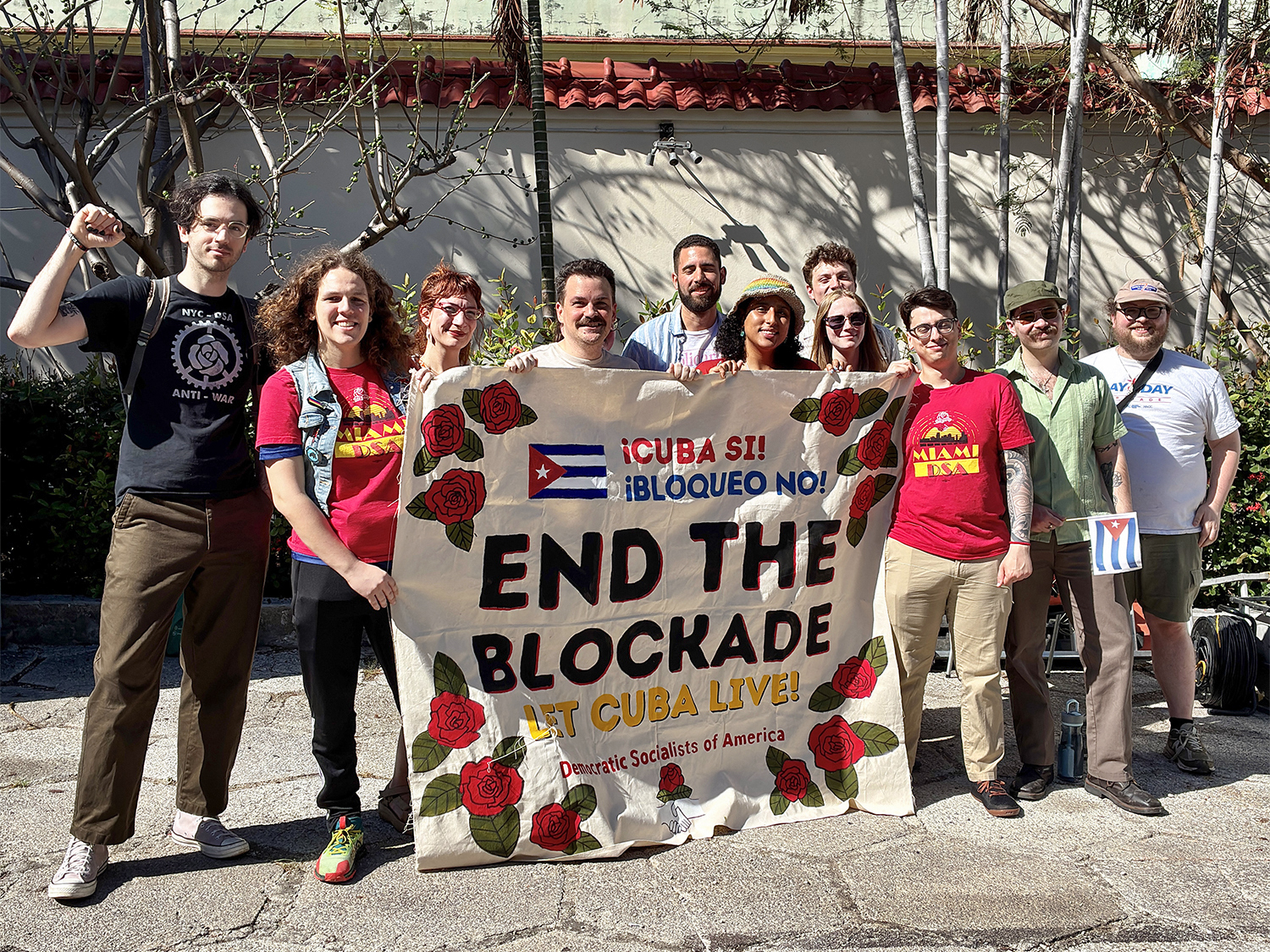
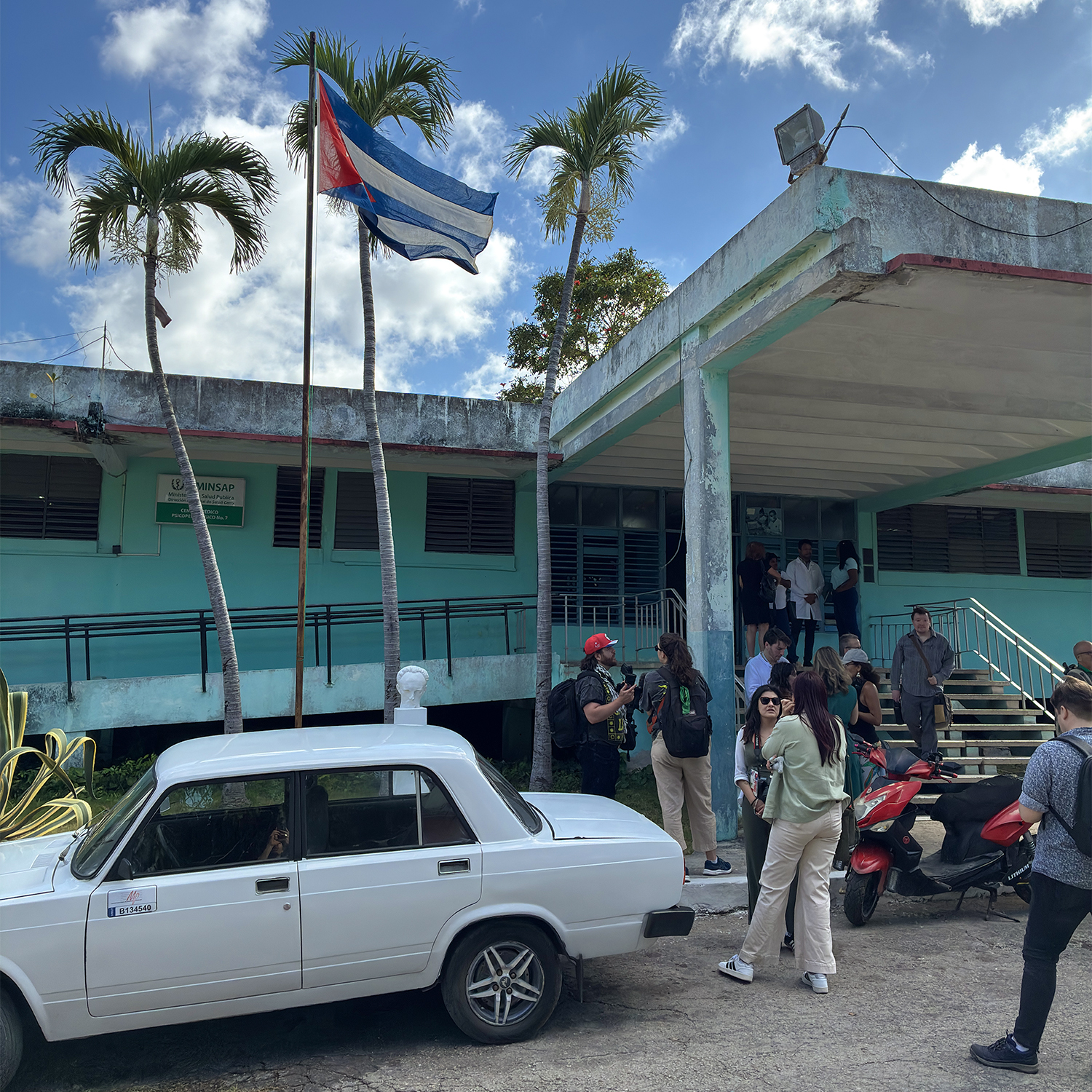
Later that day we visited a medical center and spoke with doctors and nurses about the issues they face due to lack of access to many medical supplies. The Puerto Rican delegation joined us at the center to deliver several suitcases stuffed full of medicine and supplies among celebratory cheers. Cuba continues to face nationwide blackouts impacting critical infrastructure, including hospitals. Even so, one rumor circulating online that every patient on ventilators in a Cuban hospital had died during one night without power was later debunked by the hospital as medical professionals explained to us how heroic hospital staff manually pumped oxygen all night to keep patients alive.
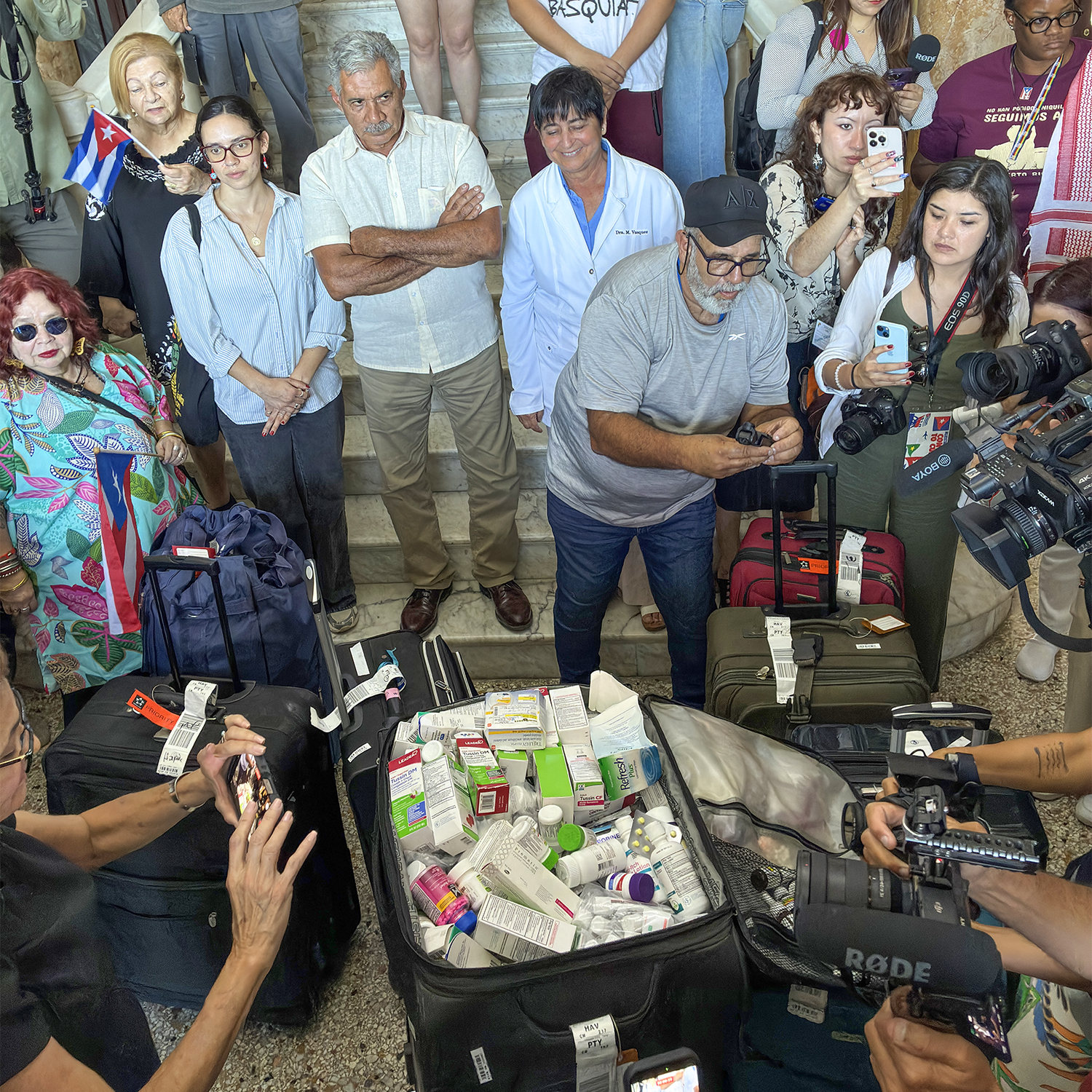
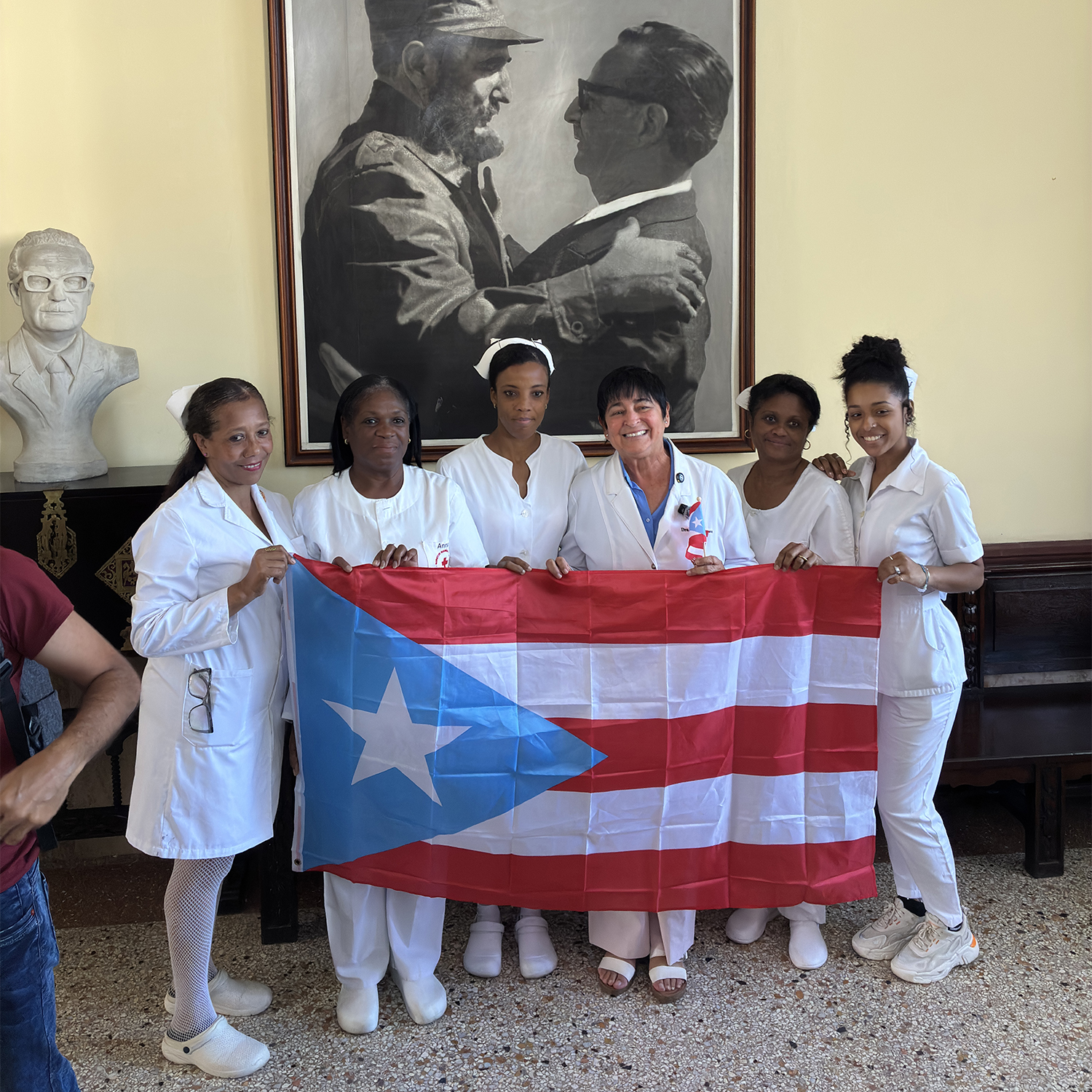
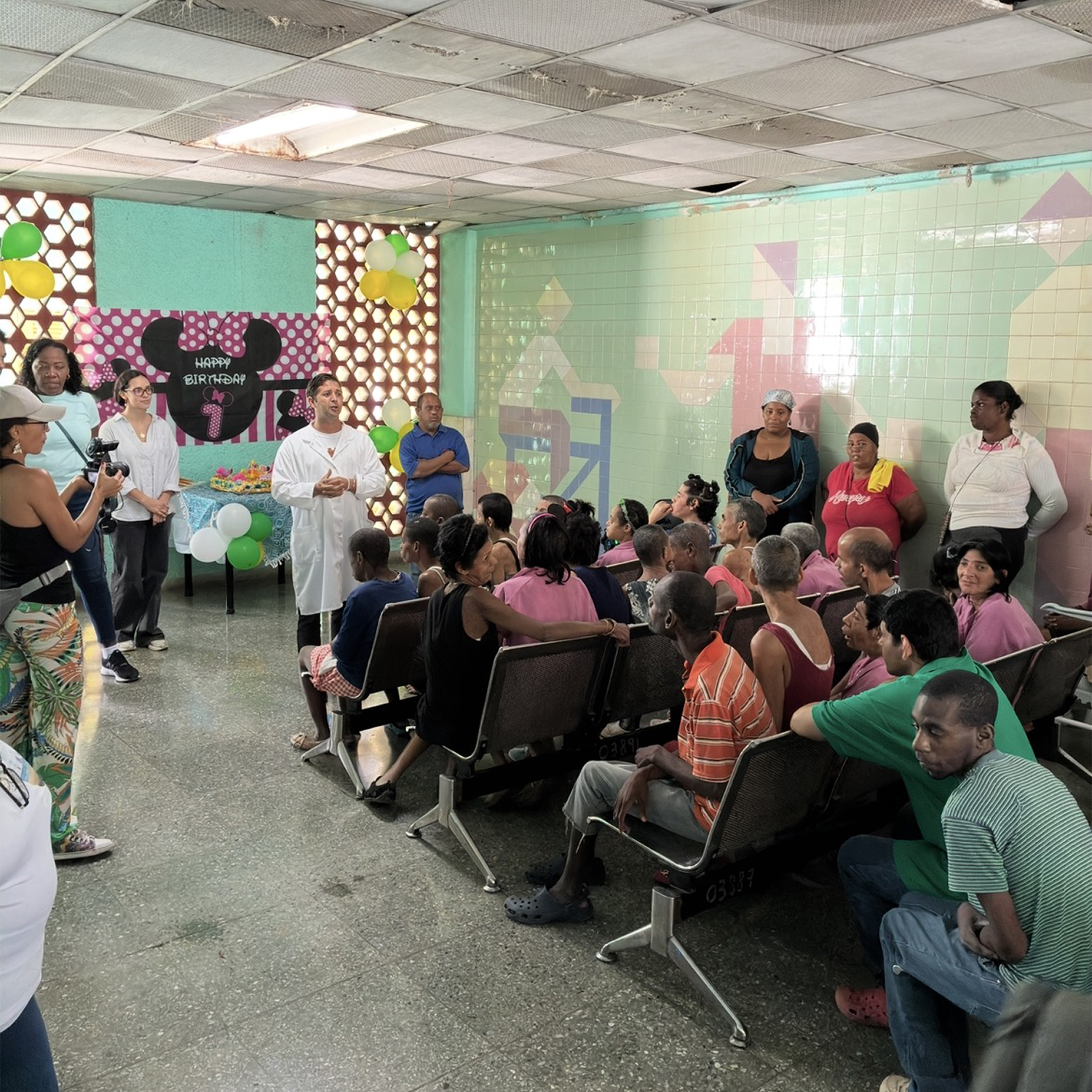
We continued together to another medical facility for people with mental disabilities to deliver more suitcases of medicine and hear how the facility cares for the most disadvantaged. The impacts of the blockade are experienced by the whole population, but felt most deeply by those most vulnerable. Most people lack access to even basic medicines like pain killers and antibiotics, and hospital staff deal with blackouts and shortages of medical supplies like masks and syringes. One convoy participant, James, took it upon himself to organize a fundraiser to deliver 40,000 masks to the largest hospital in Havana to equip the entire staff for a whole year.
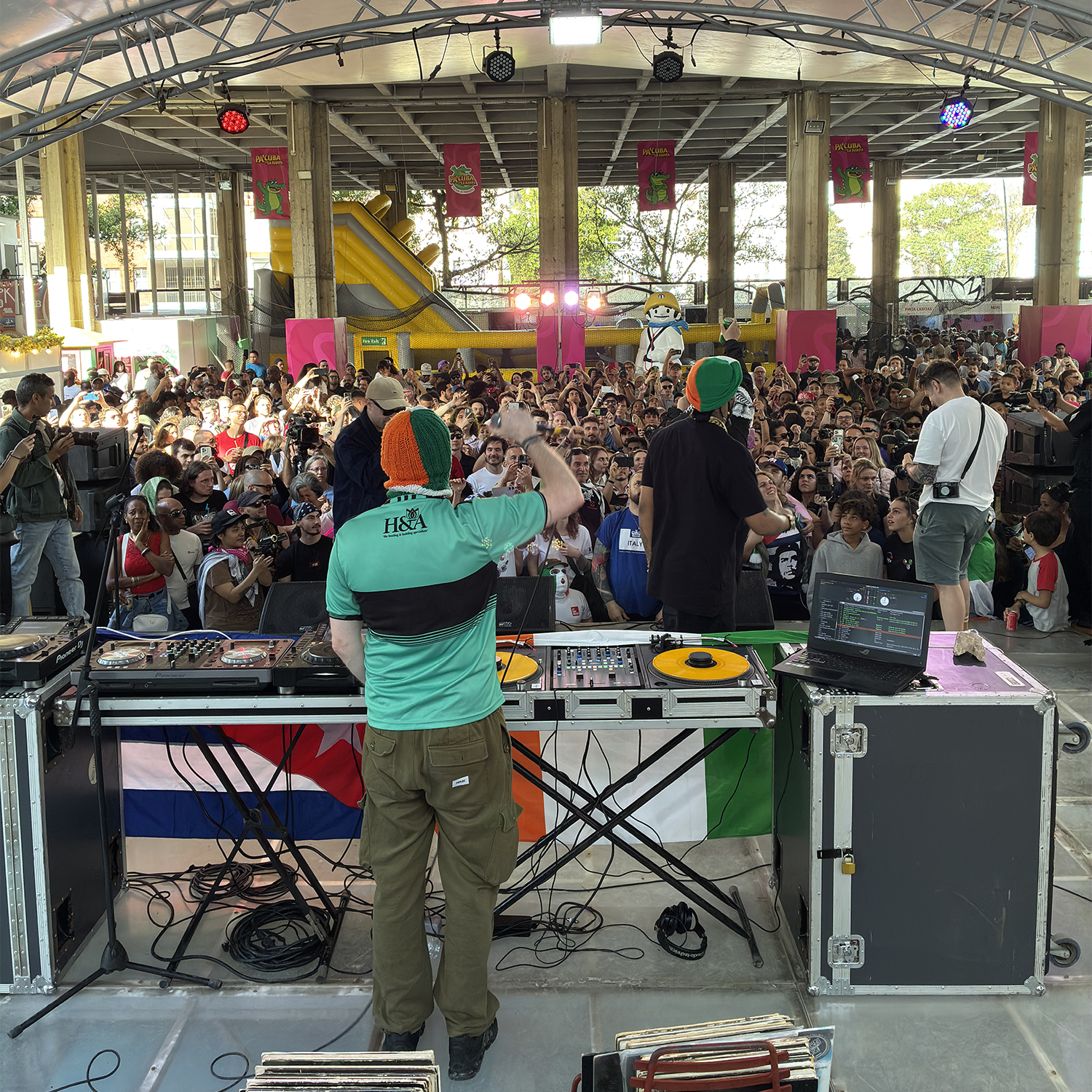
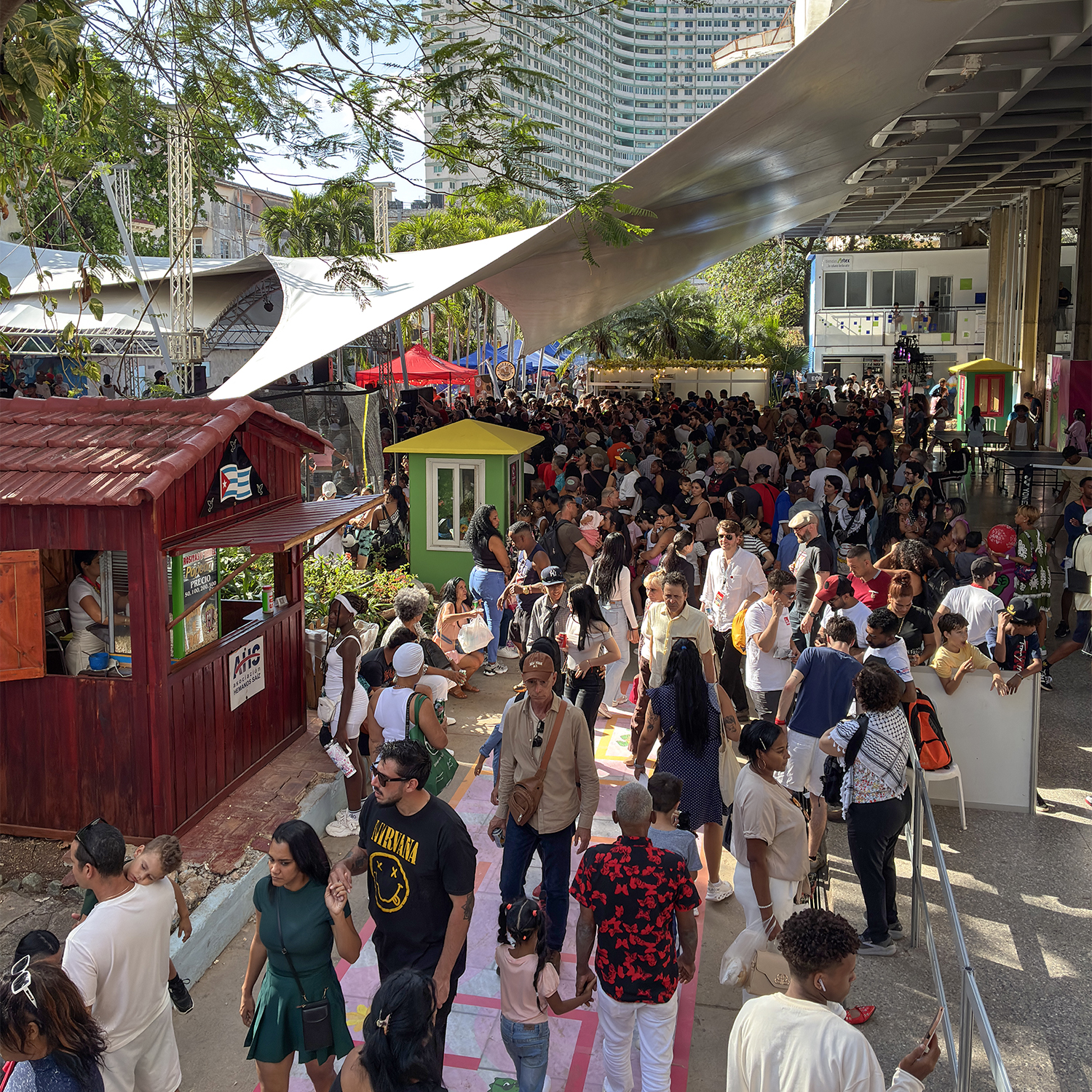
After visiting the medical centers we joined a large public spring festival at the Pabellon Cuba cultural center. A beautiful scene unfolded with hundreds of Cuban locals and international activists dancing at musical performances by local artists, kids playing games, families enjoying food and drinks, and people browsing the many markets. A surprise guest performance by KNEECAP, moshpit and all, wrapped up the concert to an ecstatic crowd. Just as we began speaking with the band following the show, another blackout hit, forcing us to hold the entire press conference in the dark, illuminated by flashlights as they spoke on the history of international solidarity and joint struggle against colonialism between Ireland and Cuba.
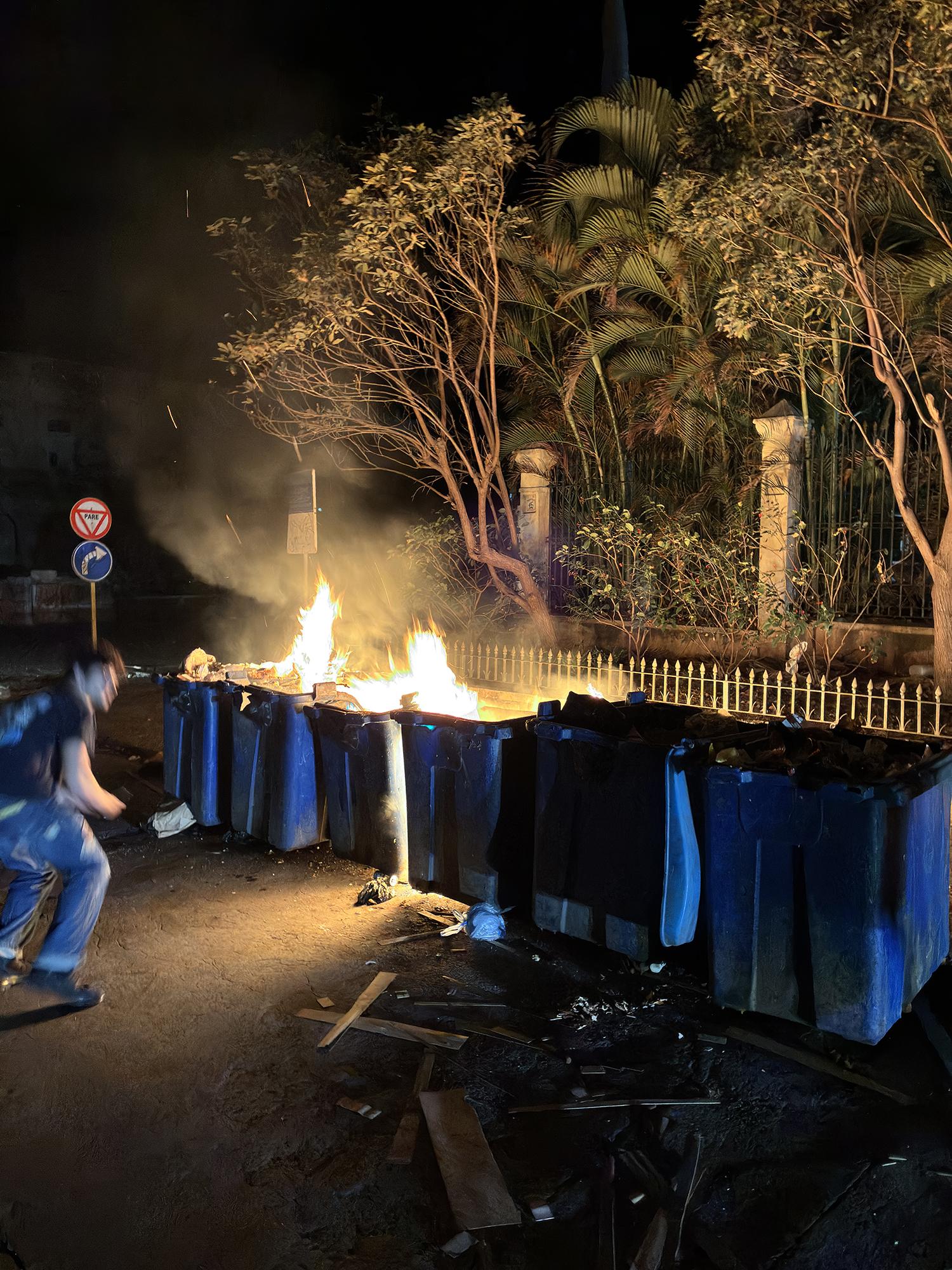
That night I walked back to the hotel in total darkness, stumbling down streets illuminated only by the occasional solar powered battery light or bike. I saw people trying to go about their day in whatever way they could while children played carefree in the dark. We walked for hours across the city, seeing the impacts of US economic warfare firsthand as garbage fires burned. A haunting, otherworldly mystique filled the dark streets with people refusing to be defeated by the ever present weight of US imperialism on the island.
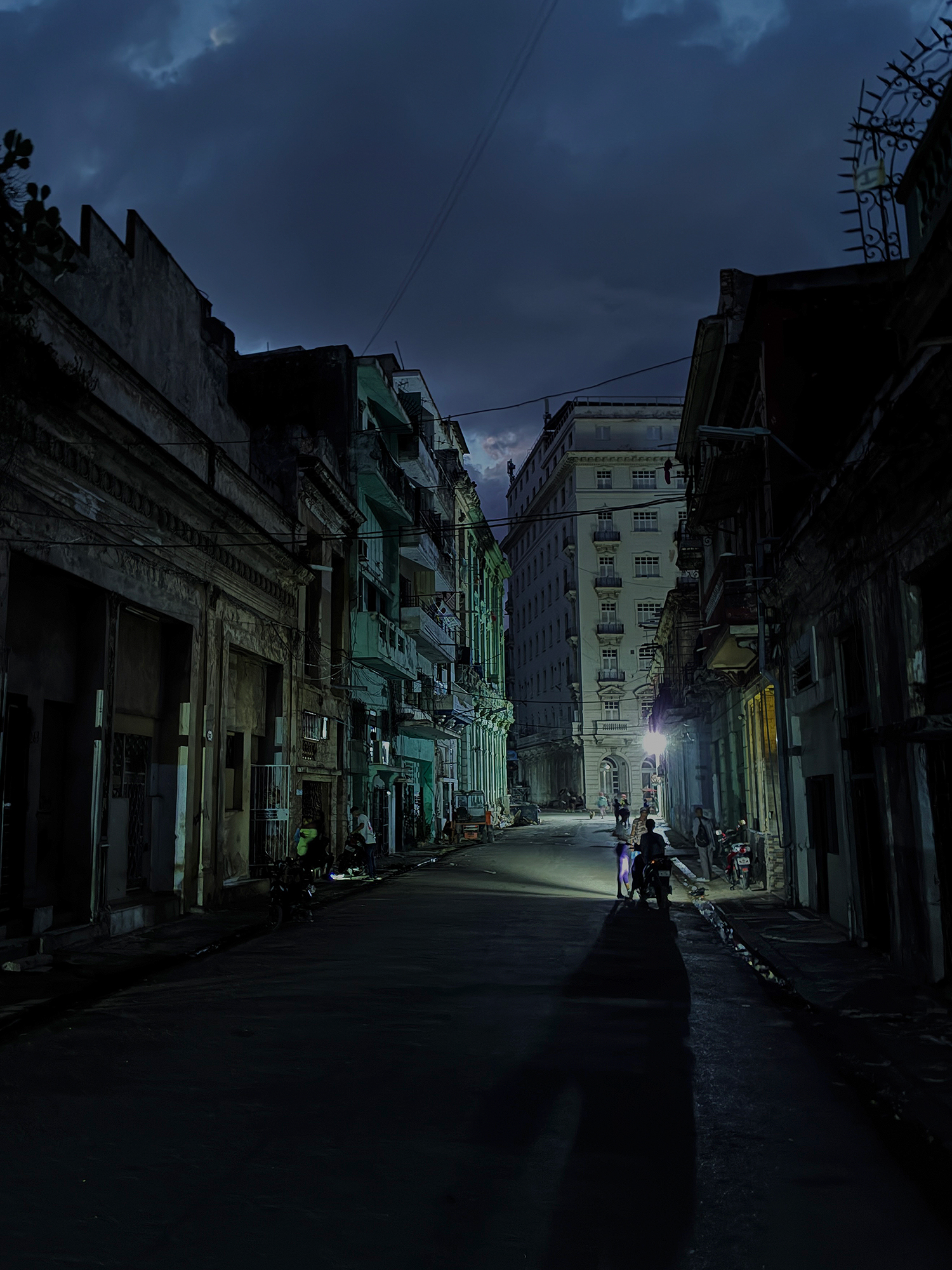
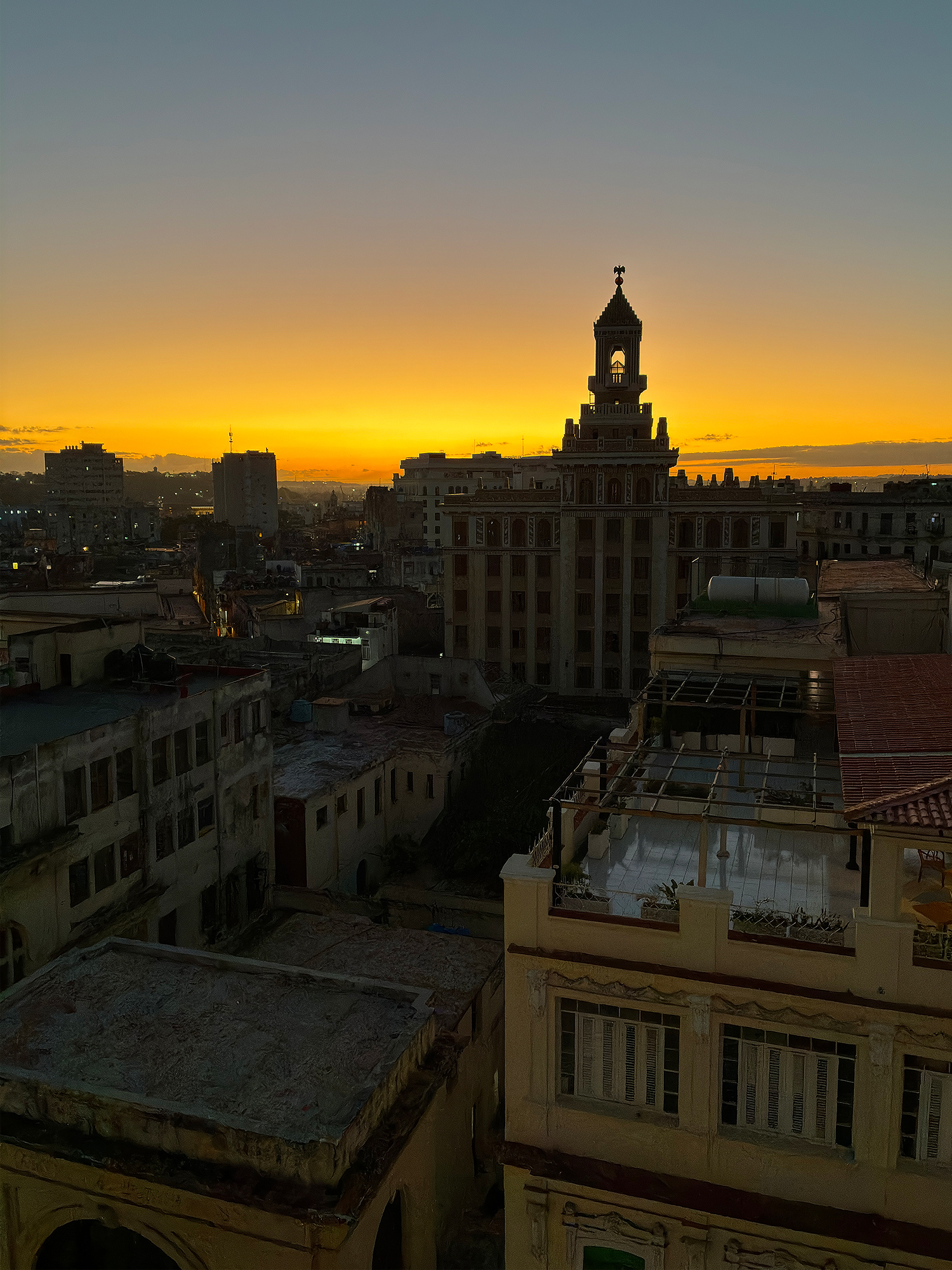
I woke up the next morning to find that the blackout would continue for nearly 24 hours. The few places that had electricity were large privately-owned hotels like the one we stayed at, one of few on the permitted list for US residents to use, and one of the only places to which the US allows fuel imports to. Locals and other activists streamed in for internet access and a momentary reprieve from the blackout. That morning, as we heard from Cuban panelists about their personal experiences living under the blockade, I scrambled to figure how to post all the footage I had acquired. The anxiety of needing to get the word out on what is going on was a constant worry on all our minds.
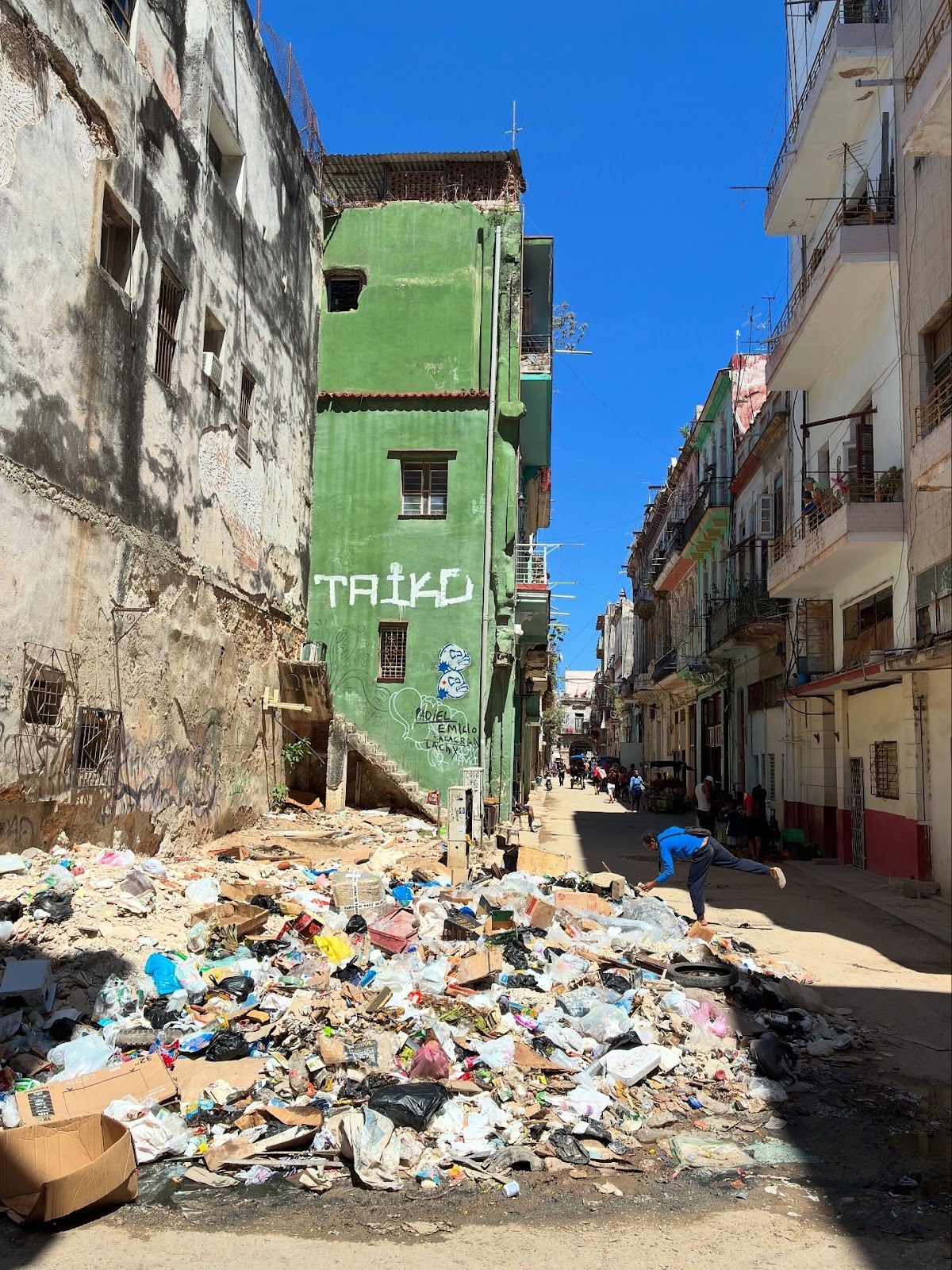
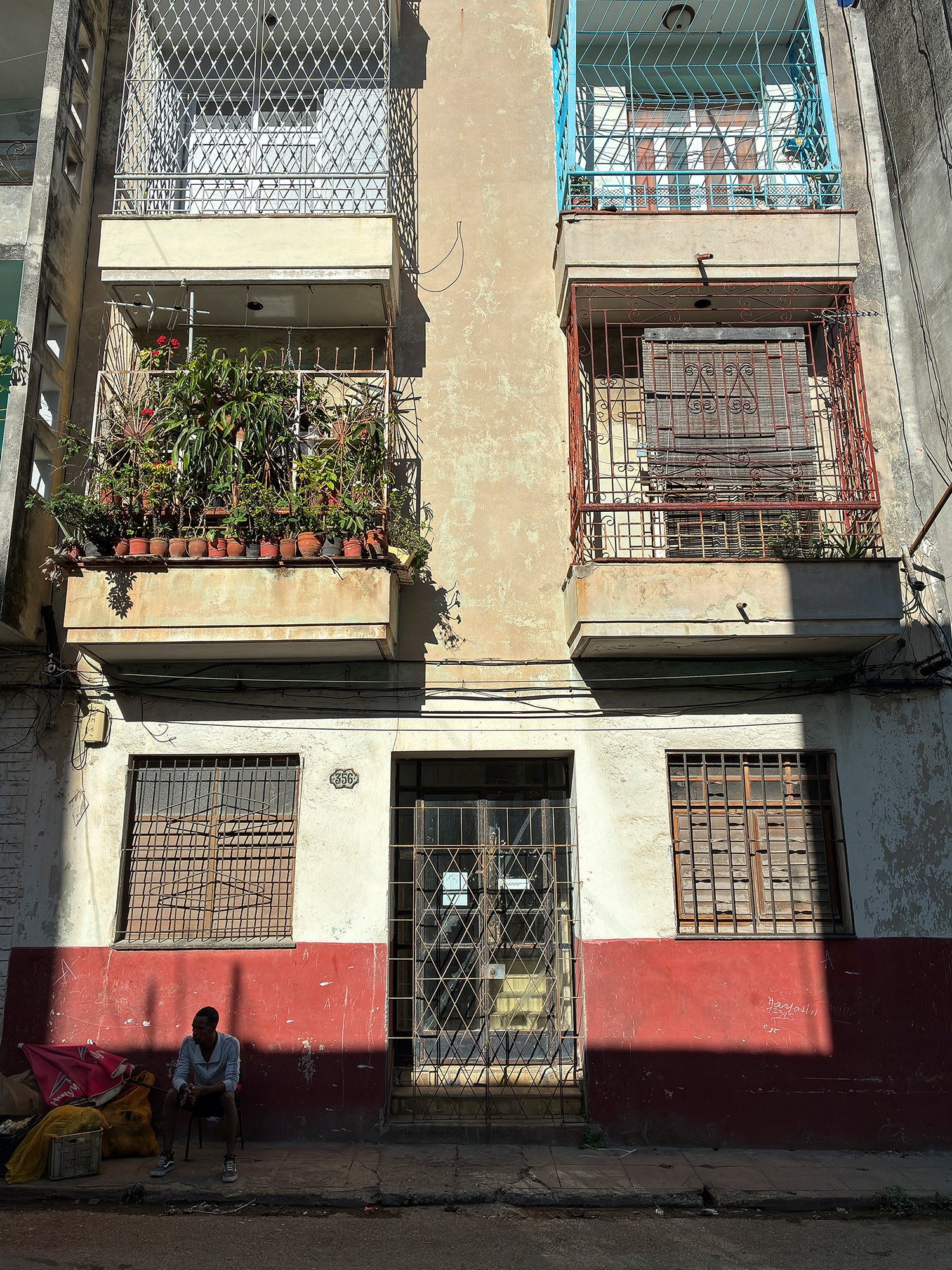
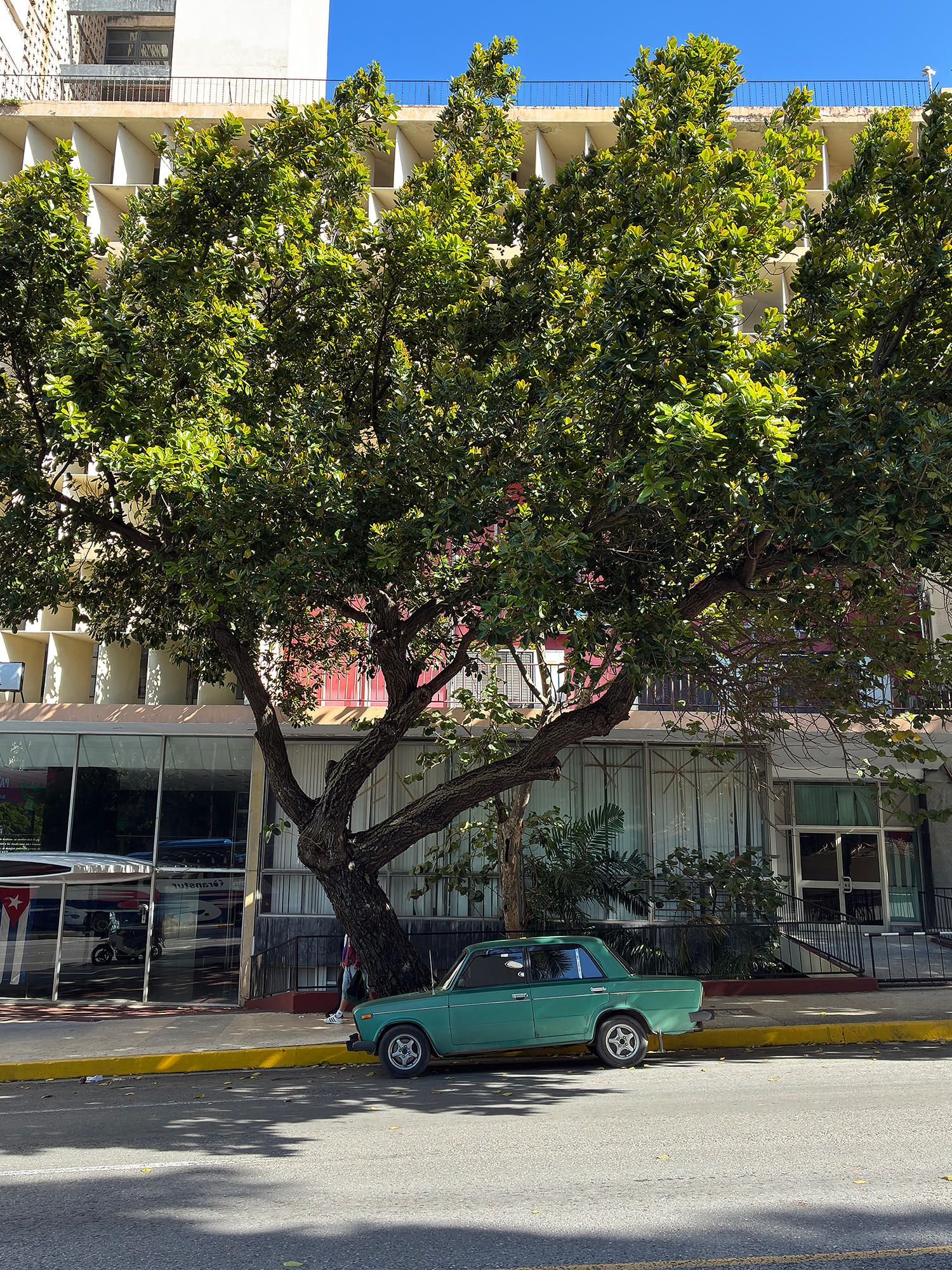
I walked almost aimlessly through Old Havana, talking with locals and trying to take in as much of the city as I could on that last day. I met artists on the street who told me about their struggles to get even basic art materials. I talked with vendors and swindlers and all sorts of people all trying desperately to get by amidst a decline in tourism. We walked through endlessly weaving sunny streets, both busy and desolate, full of struggle and life. Beauty and color and sadness were all woven together around us on the streets of Havana.
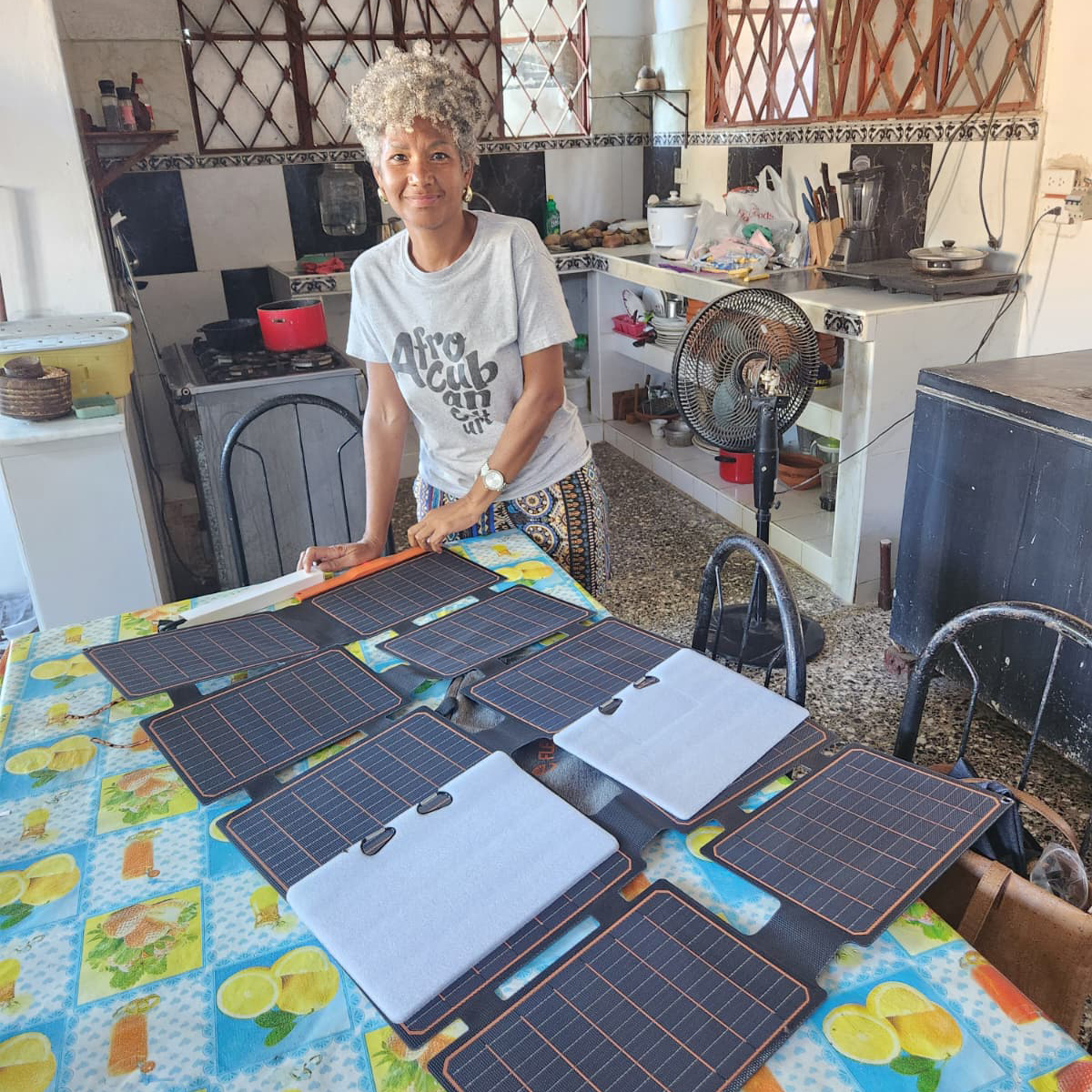
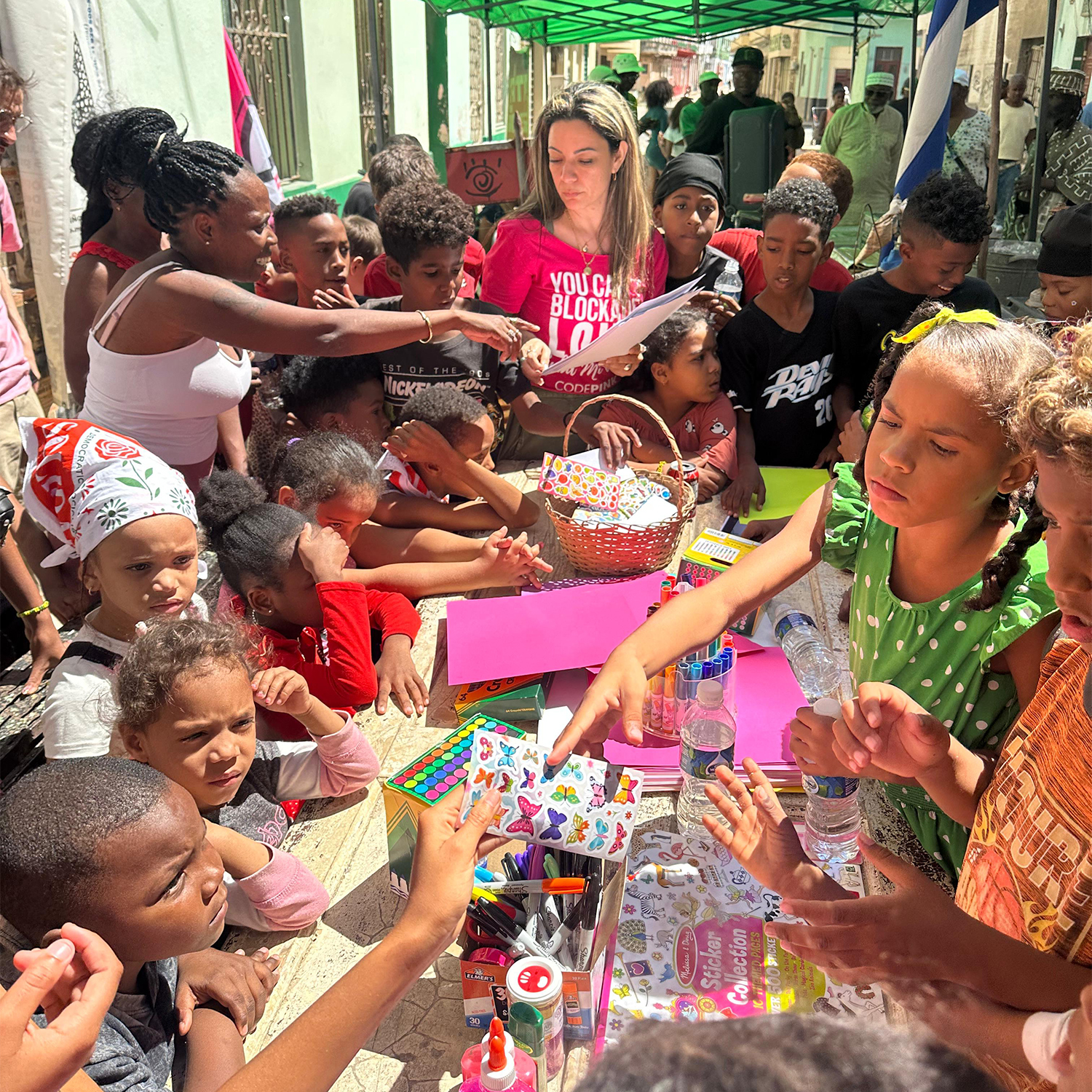
Back at the hotel we met with a Palestinian doctor who had studied for free in Cuba and lived there for years. He explained the issues doctors have been facing in adequately providing for their patients and we handed off suitcases filled with medicine as well as solar panels for the local mosque. Meanwhile, another group from the delegation delivered medicine and solar panels to the Afro-Cuban community in Guanabacoa. That day the delegation joined a block party at Callejon de Hamel, a cultural community center, giving out art supplies to children and enjoying music and food with locals.
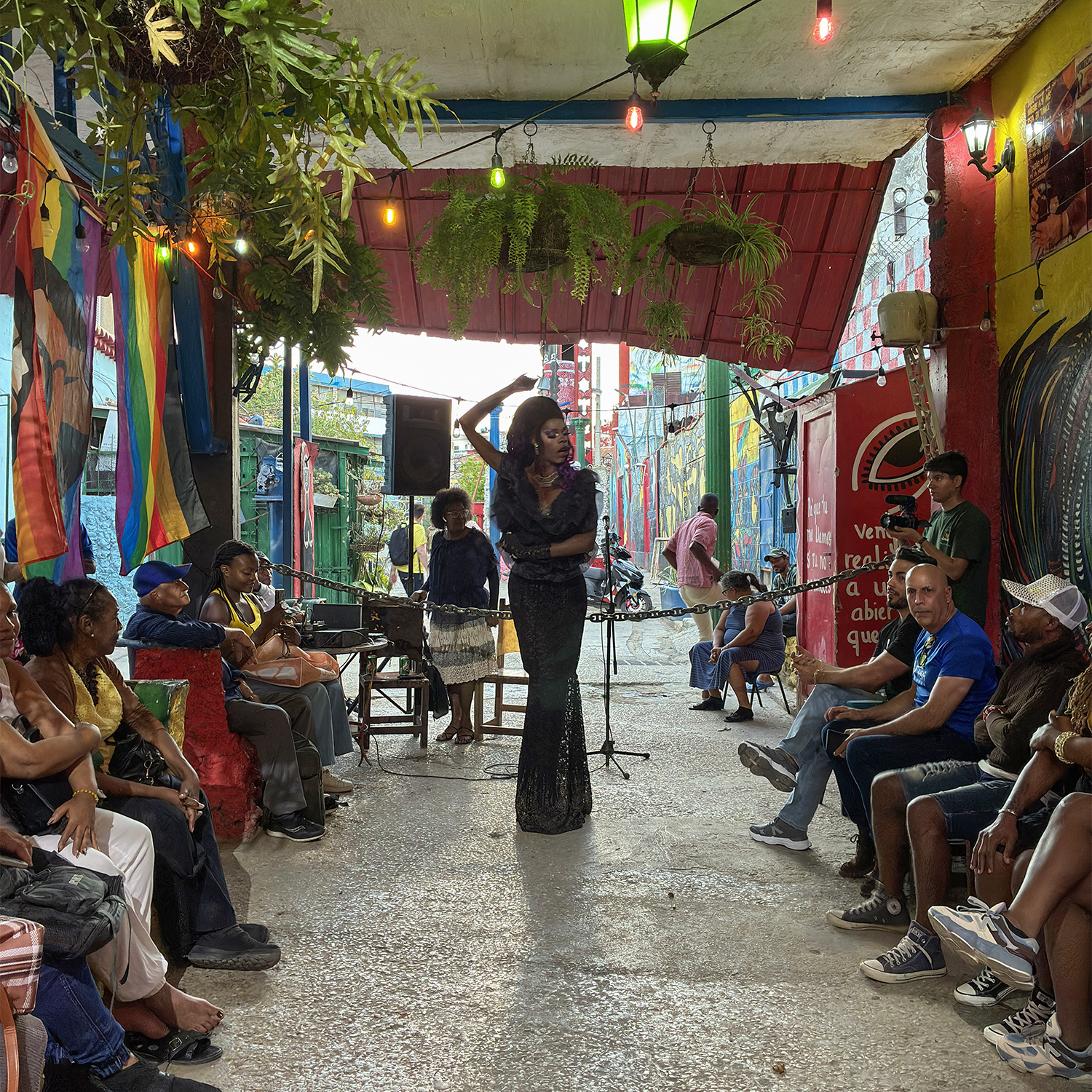
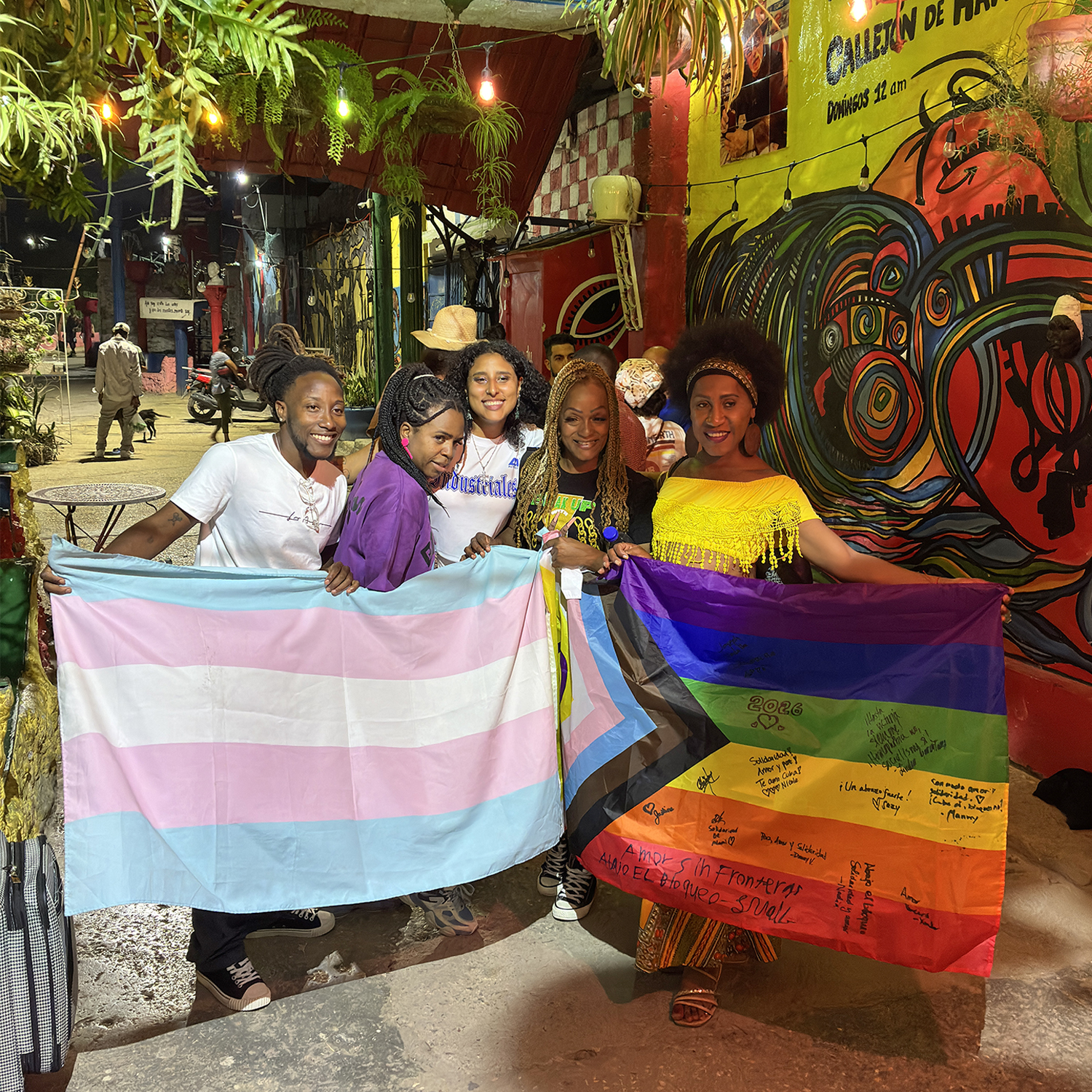
In the evening we brought several suitcases packed full of medical supplies and solar panels to meet with six LGBTQ groups at Callejon de Hamel, who talked with us about their struggles to access basic medicines. A jubilant crowd of locals and activists attended a drag performance by one of the artists. The alley beamed with a transcending feeling of solidarity and love. I walked back to the hotel on this final night trying to take in the last sights of the tangled streets of Havana, handing out whatever money I had left in my pockets to anyone who asked for it.
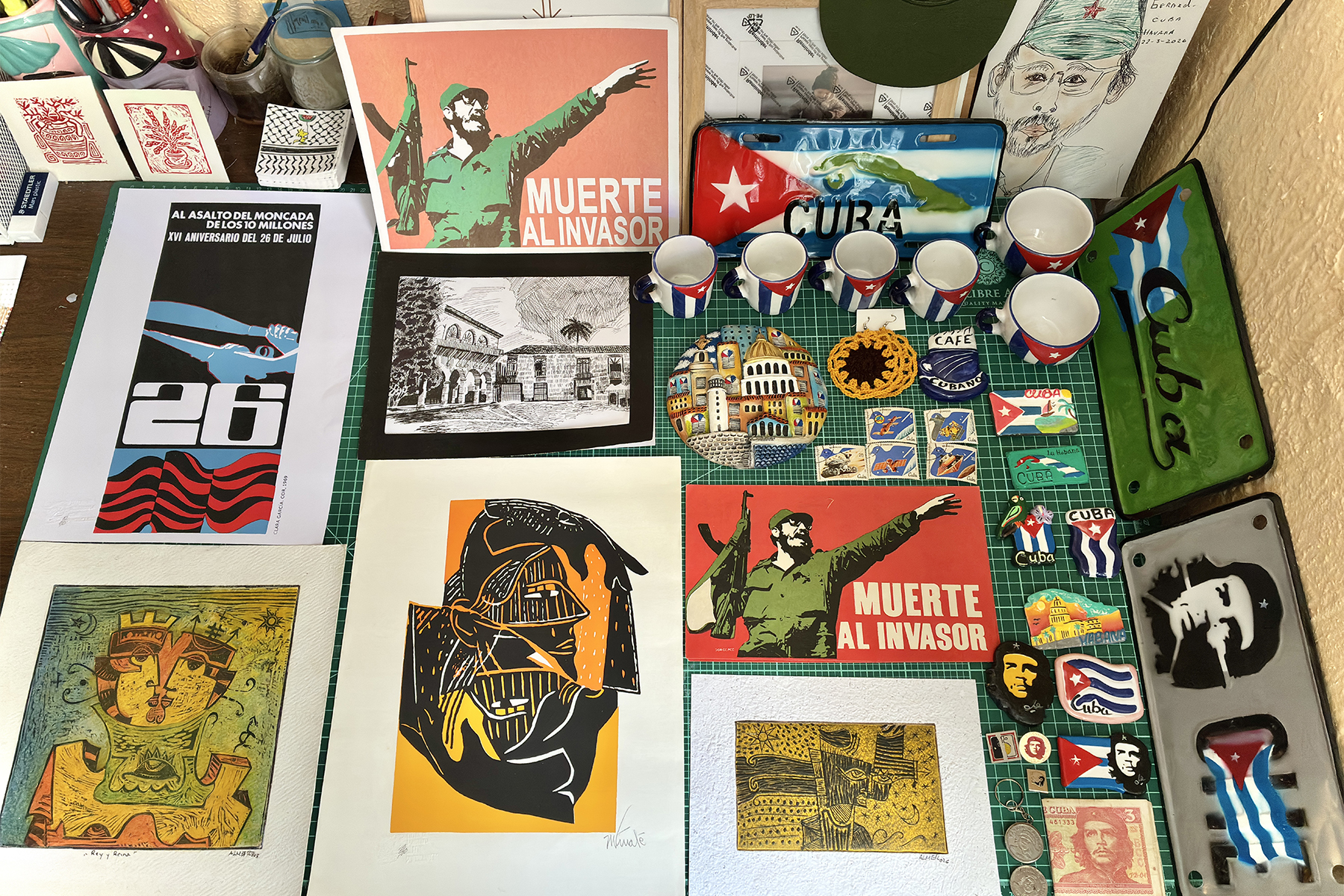
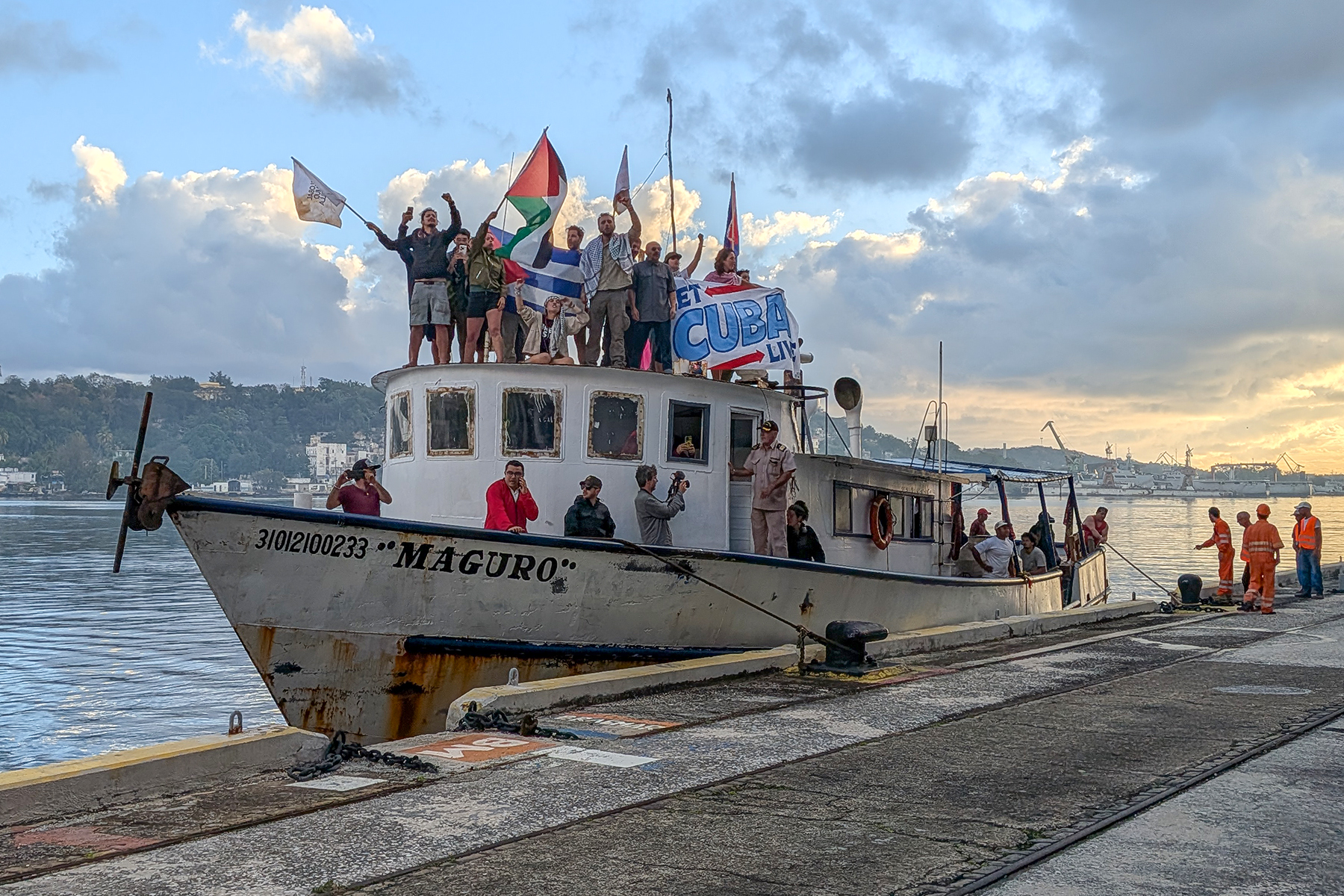
The next morning, as we were eating our final breakfast at 7AM, I kept thinking about all the people and places I’d been and whether I could have done more. By then it was clear that the flotilla, carrying another 30 tons of aid, would unfortunately arrive a full day late after we had already left, delayed by various logistical and weather issues. I spent my time at the airport recanting the trip and browsing through shops stocked with fantastical artwork by Cuban artists, trying to stash as much as I could fit in my bag in hopes of bringing back a bit of Cuba with us and making a small difference in those artists’ lives.
We landed in Miami unsure how things would go entering back into the country. Tired TSA agents waved us through, though not without stopping several convoy participants for questioning, like Noura Erakat. The following day however the rest of the delegates returning including Chris Smalls and Katie Halper were stopped en masse and had their devices confiscated, journals photographed, and denied legal counsel. Government intimidation most of us are familiar with and unfazed by at this point.
The Nuestra America Convoy, inspired by the courageous Gaza flotillas, managed to achieve a historic feat of overcoming the blockade in a mass rebellion against the imposed US imperialist order and making it clear Cuba is not alone. Over 50 tons of aid valued in the millions of dollars were brought in by plane and boat, in suitcases and backpacks, by activists across the entire world to help the people of Cuba. Although only a momentary material reprieve, the convoy managed to quickly bring together much needed solidarity and inspire others to follow suit.
Through defiance and revolutionary struggle, Cuba beams with life and resilience in the face of hardship and foreign aggression. An island punished under the weight of US imperialism for its sovereignty and determination to lead its people to a better future free from the exploitative grasps of empire. While there only for a brief time, we all brought back with us a bit of that revolutionary spirit to harden our own resolve to fight for justice and liberation with a clear take away for our comrades: go to Cuba.
Cuba Night and Day: Visual Journal by Gerard Dalbon
Gerard Dalbon is an illustrator, photojournalist, and organizer with DSA living in NYC.
